- Route optimisation
Automatically plan efficient routes based on crew location, job urgency, and traffic, thus reducing drive time and improving service response. - Real-time tracking and ETA updates
Track vehicles and field crews in real time, with live ETAs and route updates to improve coordination and customer communication. - Performance and compliance reporting
Monitor service KPIs and generate audit-ready reports to meet regulatory standards and reduce unplanned downtime. - Scalable cloud-based logistics
Manage large field teams across regions with a cloud-based platform that scales for daily operations. - Asset coordination & location visibility
Track vehicles, tools, and equipment to ensure crews have what they need, where and when they need it. - Integration-ready APIs
Embed routing, tracking, and logistics logic into your existing ERP or workforce management systems using high-performance APIs.
Creating a pipeline with purpose
From emergency response to scheduled maintenance, utilities field service optimisation is essential to delivering a reliable and safe service. Today, utility companies face unique challenges, asked to maintain critical infrastructure on an urgent basis. When a power outage occurs or a pipe bursts, time is of the essence.
To restore service quickly, crews need to be dispatched to the right location with the right equipment as fast as possible. In these emergency situations, taking a longer, less-optimised route is simply not an option.
Brands trusting PTV Logistics technology








What’s Holding Back Utility Field Efficiency?
Utilities field service optimisation depends on managing a vast and complex network of assets and resources, including materials, equipment, and personnel, across large geographical areas. This intricate process requires precise coordination, efficient outage response, and real-time visibility to ensure timely maintenance, repairs, and service delivery while optimising costs and resources.

Battling Backlogs
Aging utility infrastructure frequently fails and urgently requires modernisation.

A Lack of Visibility
Lack of standardisation and real‑time data complicates tracking crews and assets.

Unpredictable Events
Extreme weather and equipment failures cause major outages and strain resources.

Regulatory Compliance
Field crews must consistently follow strict utility regulations and safety standards.

Sustainability Demands
Utilities and logistics providers face pressure to reduce emissions and adopt clean energy.

Inefficient Workforce Management
Manual processes and weak communication delay responses to unexpected service issues.
Outages and delays are hard to avoid but easier to manage.
Whether it’s emergency repairs or scheduled maintenance, utility teams need to act fast and stay coordinated. With dynamic routing and live field updates, you can improve response times, reduce downtime, and keep customers informed.
What matters most in utility logistics?
To keep utility logistics running smoothly, utility providers need to coordinate field teams in real time, adapt routes dynamically, and reduce reliance on manual processes. Whether responding to emergencies or managing scheduled maintenance, speed, visibility, and scalability are essential.
Utilities: Smarter management of fleets, teams, and assets
Here’s how logistics tech is becoming a strategic advantage for utilities firms:


Utility logistics software for smarter field operations
Reduce operational costs and improve collection efficiency with our self-learning SaaS suite for utility logistics.

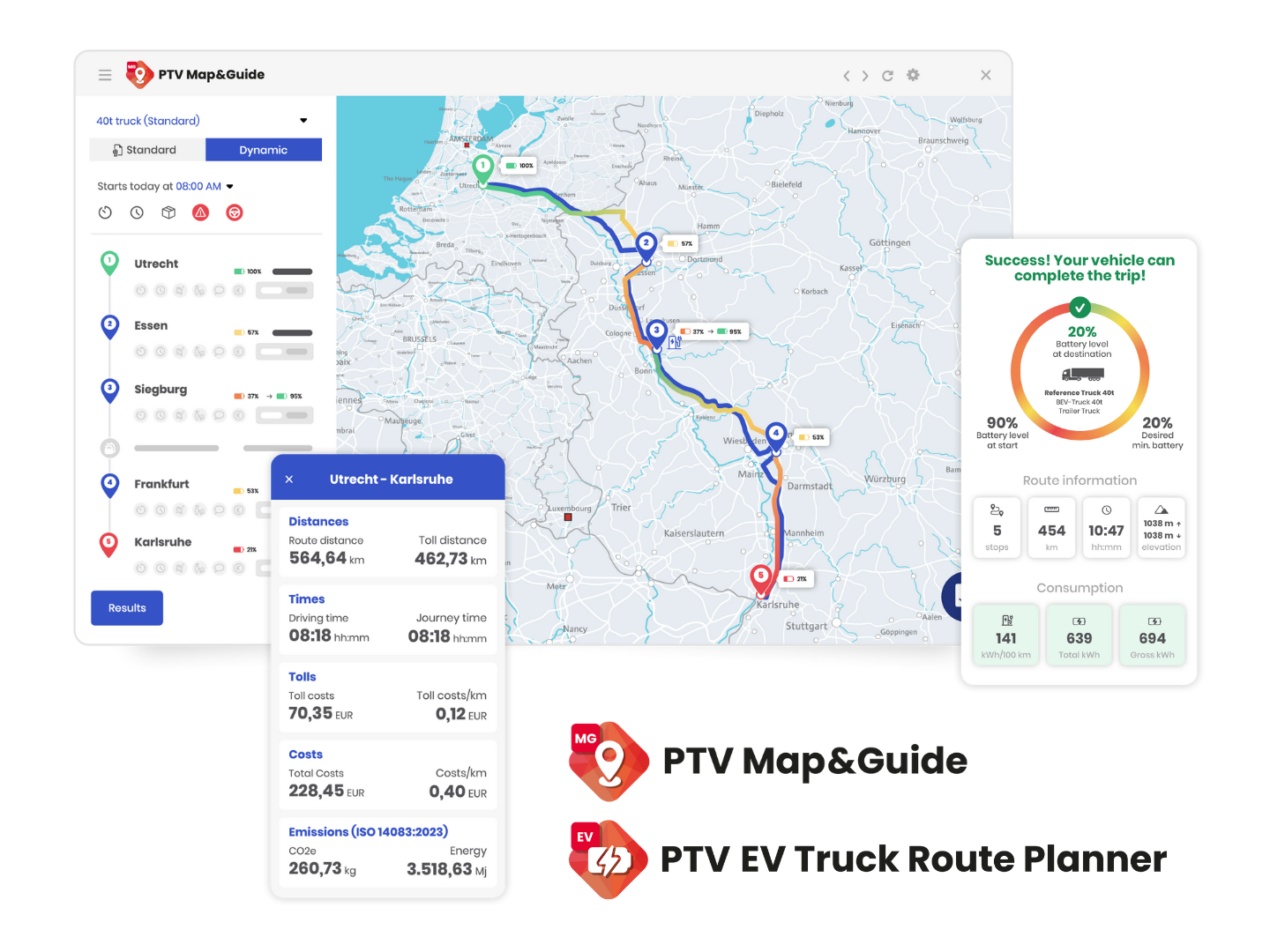

Plan with precision
Build smarter freight and fleet routes.
- Create cost-effective routes with automated planning tools
- Factor in EV range, charging stations, and toll roads
- Design routes that meet regulatory and operational requirements
- Forecast demand for peak seasons or service surges
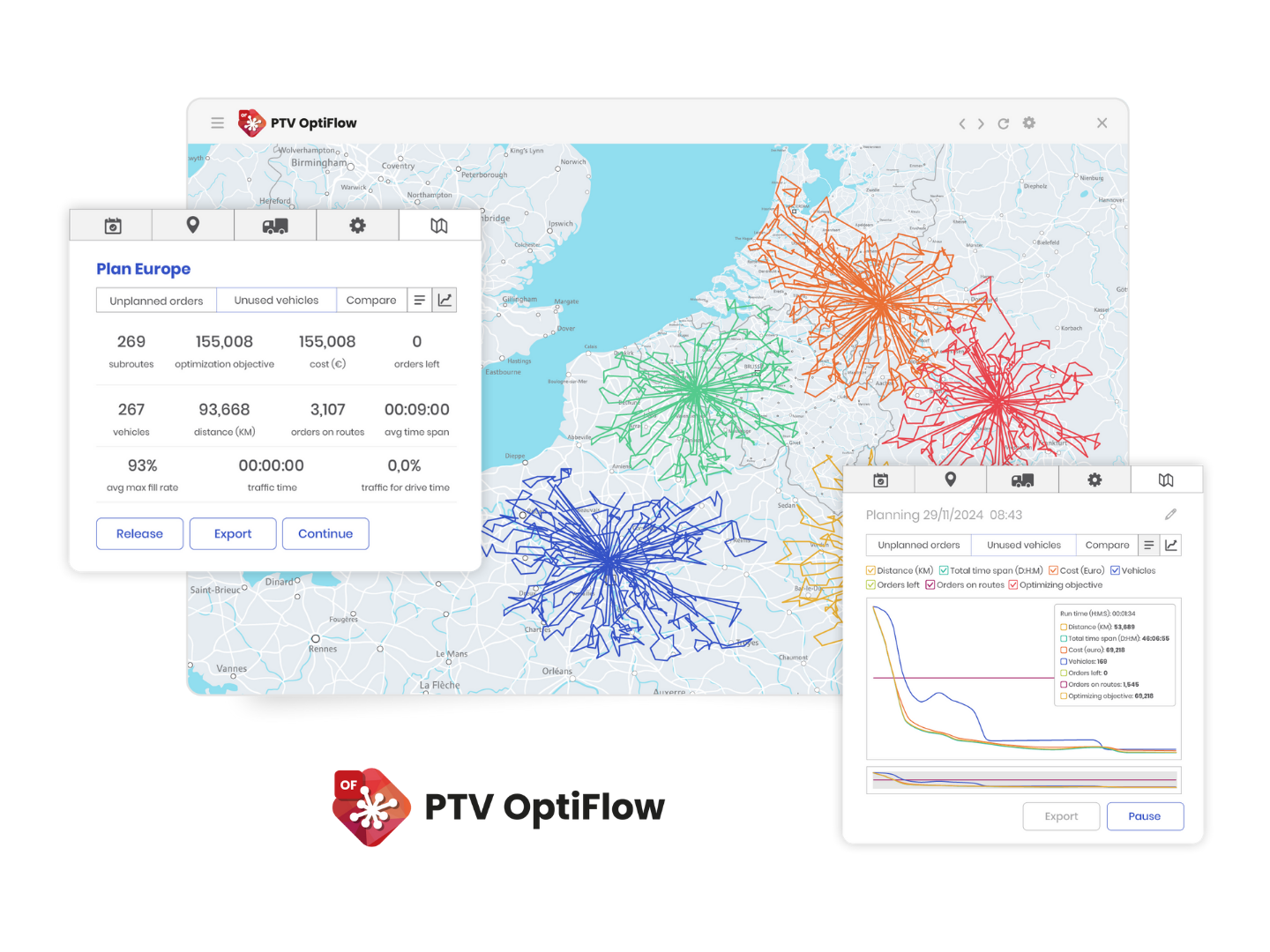

Optimise in real time
Keep your fleet agile and responsive.
- React to last-minute changes with cloud-based routing
- Incorporate returns, pickups or service stops into routes
- Improve on-time rates and reduce miles driven
- Identify high-impact EV use cases with scenario simulation

Gain control across the supply chain
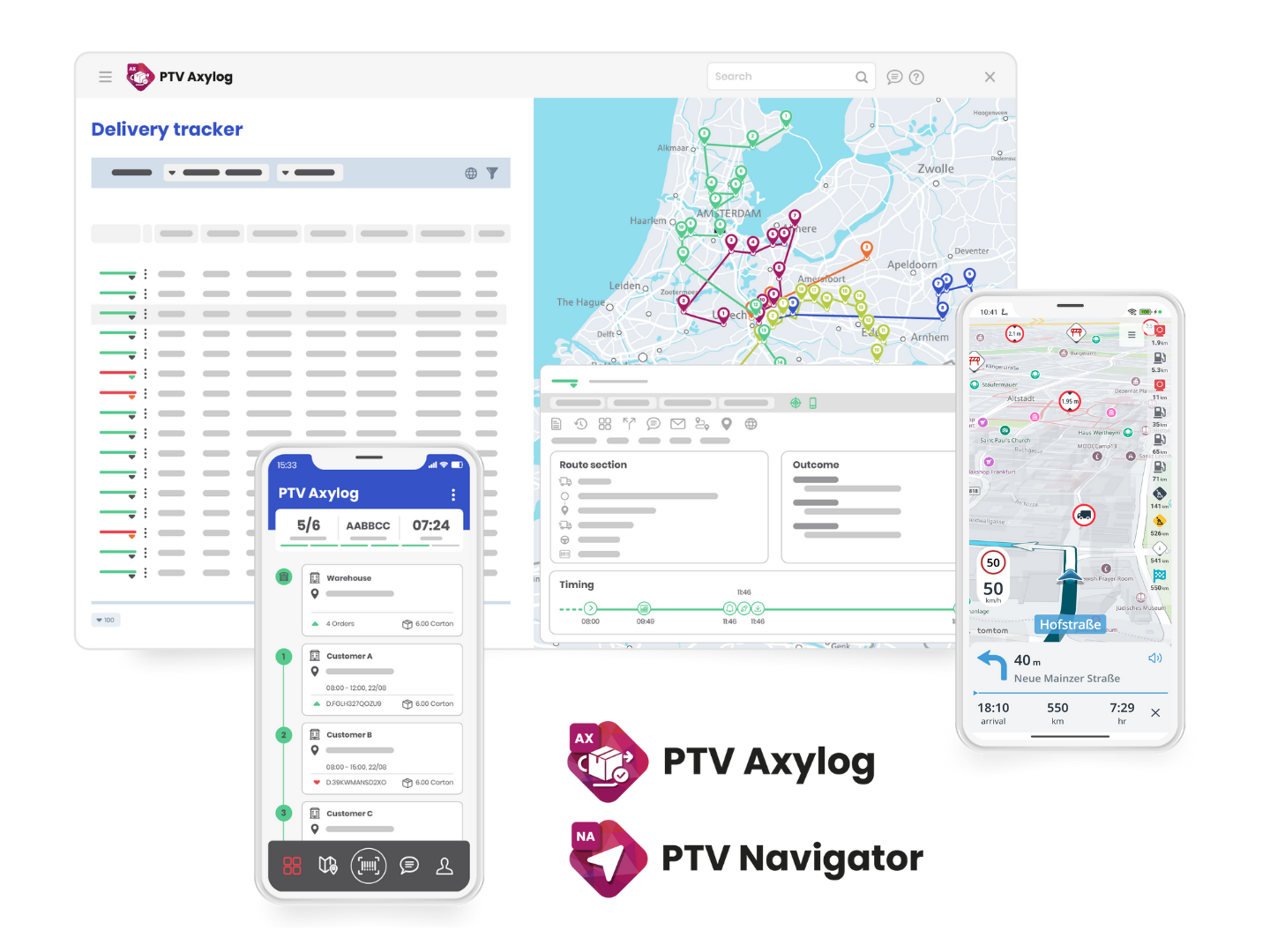
Track every movement from dispatch to destination.
- Monitor service, delivery or collection progress in real time
- Provide accurate ETAs and live tracking to customers or field teams
- Send updates and alerts directly to drivers via mobile tools
- Minimise delays with proactive disruption alerts and fast communication

Integrate with intelligence
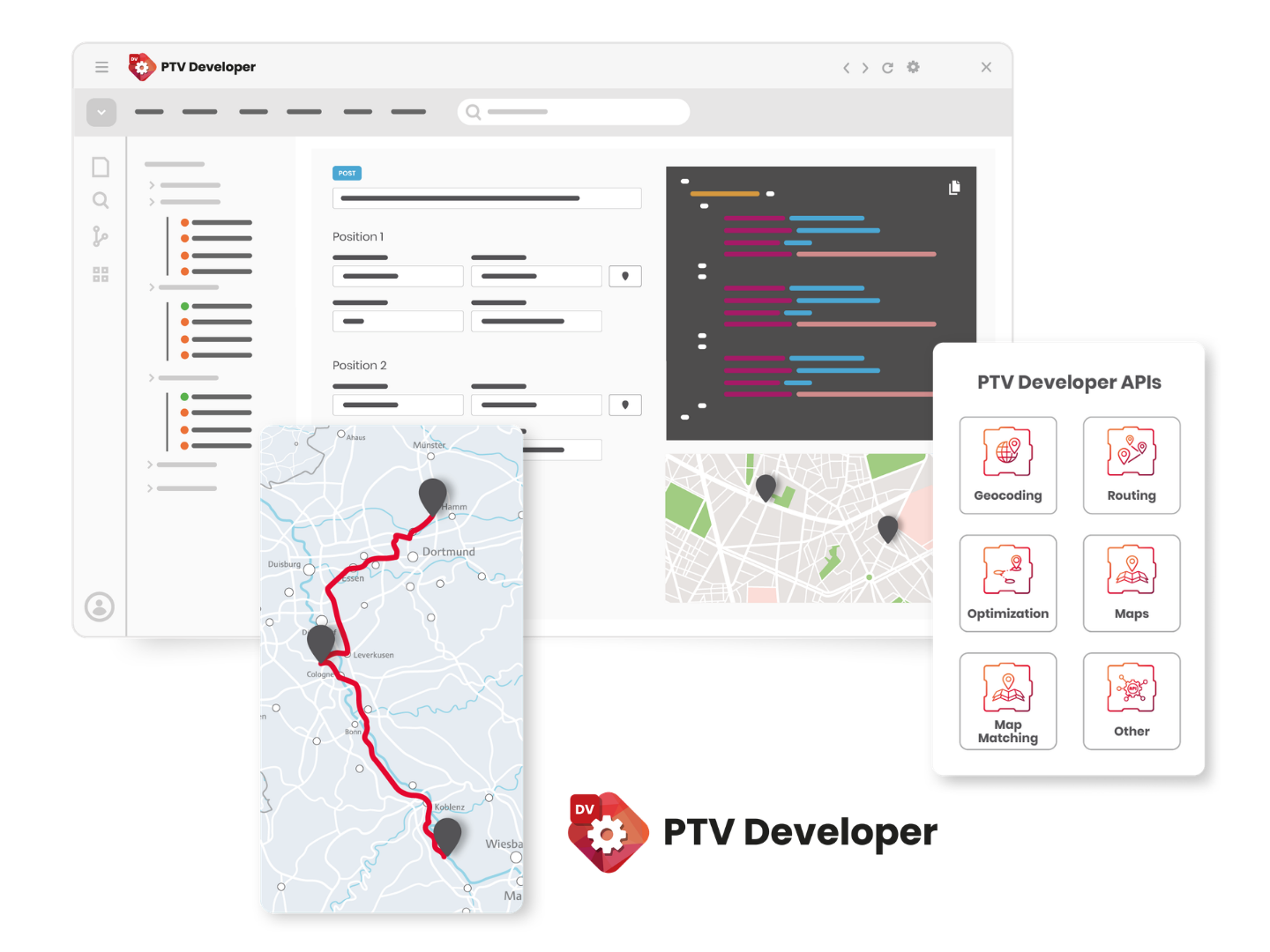
Solve real-world transport challenges with modular APIs.
- Solve complex logistics challenges with high-performance Location APIs
- Seamlessly embed routing, mapping, and tracking into your software
- Simulate real-world constraints like vehicle types, time windows, and tolls
- Scale your solution with modular services and OpenAPI standards
Let’s solve utility logistics together.
Connect with our logistics experts to explore how you can reduce response times, improve crew coordination, and meet sustainability goals, all while lowering operational costs.
Recommended reads


Blog
Route Optimization: Why your delivery operations can’t afford to miss out
Learn how route optimization can streamline your logistics operations, reduce costs, improve efficiency, and contribute to sustainability.


Blog
Real-time transport visibility platform: What is it and why should you invest in one?
Real-time visibility is critical for logistics companies. It ensures efficient processes, good customer service, and reliability.


Blog
Effective tracking and communication strategies for last mile delivery
Most last mile delivery issues don’t start on the road, but they start with poor communication. Here’s how to fix that.
It only takes a minute to get started
Fill out the form, and our experts will analyse your needs to provide a personalised consultation and demo tailored to optimise your logistics.
FAQ
Toggle accordion item
How can logistics software help utilities sector reduce operational costs?
Advanced route optimisation and dynamic scheduling reduce fuel usage, minimise overtime, and improve asset utilisation. By automating dispatch and planning, utilities can cut down on manual errors and improve overall efficiency.
Toggle accordion item
How does logistics software contribute to sustainability goals in utilities?
For utility providers, reducing emissions starts with smarter routing and resource planning. Solutions like PTV OptiFlow help minimise fuel usage by optimising daily crew movements and reducing unnecessary mileage. If you're managing or transitioning to electric fleets, PTV EV Truck Route Planner supports range-aware routing and charging station integration, making it easier to plan sustainable operations without compromising reliability. These tools also support ESG reporting by providing measurable data on fuel savings and carbon reduction.
Toggle accordion item
How does logistics software improve visibility across field operations?
Centralised planning and real-time tracking give utility managers full visibility into crew locations, job progress, and asset movements. With tools like PTV Axylog, teams can monitor transport flows live, detect delays early, and coordinate field operations more effectively. This improves response times, reduces downtime, and helps ensure compliance with service-level agreements.
Toggle accordion item
How does field crew dispatch software improve emergency response for utility companies?
Field crew dispatch software helps utility providers respond faster to outages and emergencies by automatically assigning the nearest available crew, optimising routes based on traffic and urgency, and providing real-time location tracking. This reduces downtime, improves customer satisfaction, and ensures compliance with service-level agreements.
Toggle accordion item
What features should utility providers look for in field crew scheduling and routing software?
A good utility logistics software should support efficient route planning, task prioritisation, and clear coordination between dispatchers and crews. PTV OptiFlow helps optimise daily routes based on cost, time, and service-level constraints - ensuring that crews follow the most efficient paths while meeting operational targets.
Toggle accordion item
Is a cloud-based logistics platform for utilities secure?
Although security concerns may have once been prevalent around cloud-based software, today, cloud-based logistics platforms for utilities can be very secure, often more so than traditional on-premises systems. Of course, the utilities sector often involves the transfer of sensitive information, but features like encryption and multi-factor authentication ensure that cloud-based utility workforce logistics software takes security extremely seriously.
Toggle accordion item
Is onboarding for utilities logistics software a challenge?
While onboarding for utilities logistics software can represent a hurdle, it is manageable with the right approach. Complexity may arise from a combination of factors unique to the utilities industry, including a large and diverse workforce, critical infrastructure, and deeply ingrained legacy processes. However, many vendors provide training and support to help utilities firms move to a software-based approach, optimising route planning, field crew dispatch, and outage response times.
Toggle accordion item
What kind of logistics software supports scalable field operations for utility companies?
Utility providers managing large field teams across multiple regions often rely on cloud-based logistics solutions to coordinate crews, assets, and schedules in real time. Tools like PTV OptiFlow enable dynamic planning and help utilities respond faster to outages, optimise daily operations, and maintain service reliability across service zones.