

- Execution blind spots: Planners lack visibility into driver progress until a customer calls to report a missed delivery window.
- Reactive exception handling: Dispatchers spend hours reacting to delays rather than dynamically re-sequencing stops or proactively notifying customers.
- Paperwork and disputes: Paper delivery receipts get lost, damaged, or delayed, slowing invoicing cycles and inflating administrative costs during customer billing disputes.
- Customer communication fatigue: Customer service teams are overwhelmed with “Where is my order?” (WISMO) calls from clients, store managers, and end-consumers. SaaS vendor Freshworks reports that WISMO calls can make up as many as 50% of calls to support teams - highlighting what a huge manual burden they represent for logistics firms.
Planning and execution are two different problems
For enterprise logistics operators managing 50 commercial vehicles or more, a clearly defined route plan is just the start. The moment a vehicle begins its journey, the real world intervenes. Static schedules suddenly have little use. Traffic grinds to a halt, drivers are unexpectedly absent, orders are urgently changed, and site access restrictions come into play.
While a TMS manages carrier billing and shipment booking, and route optimization tools determine the optimal journey sequence, delivery management software is the connected operational layer that facilitates those routes in the real world. It manages dispatch, monitors live transit, resolves exceptions dynamically, collects legally binding proof of delivery, and keeps every stakeholder aligned within a single data model.
When enterprise fleets rely on disconnected tools, from standalone GPS trackers to isolated customer messaging systems, costs can quickly escalate due to:

Real-time execution & the transport control tower
Operating a high-density, multi-depot delivery network effectively depends on shifting from a reactive approach to proactive execution management. A modern transport control tower provides continuous visibility across every active route, vehicle, and driver — making proactive strategizing possible.
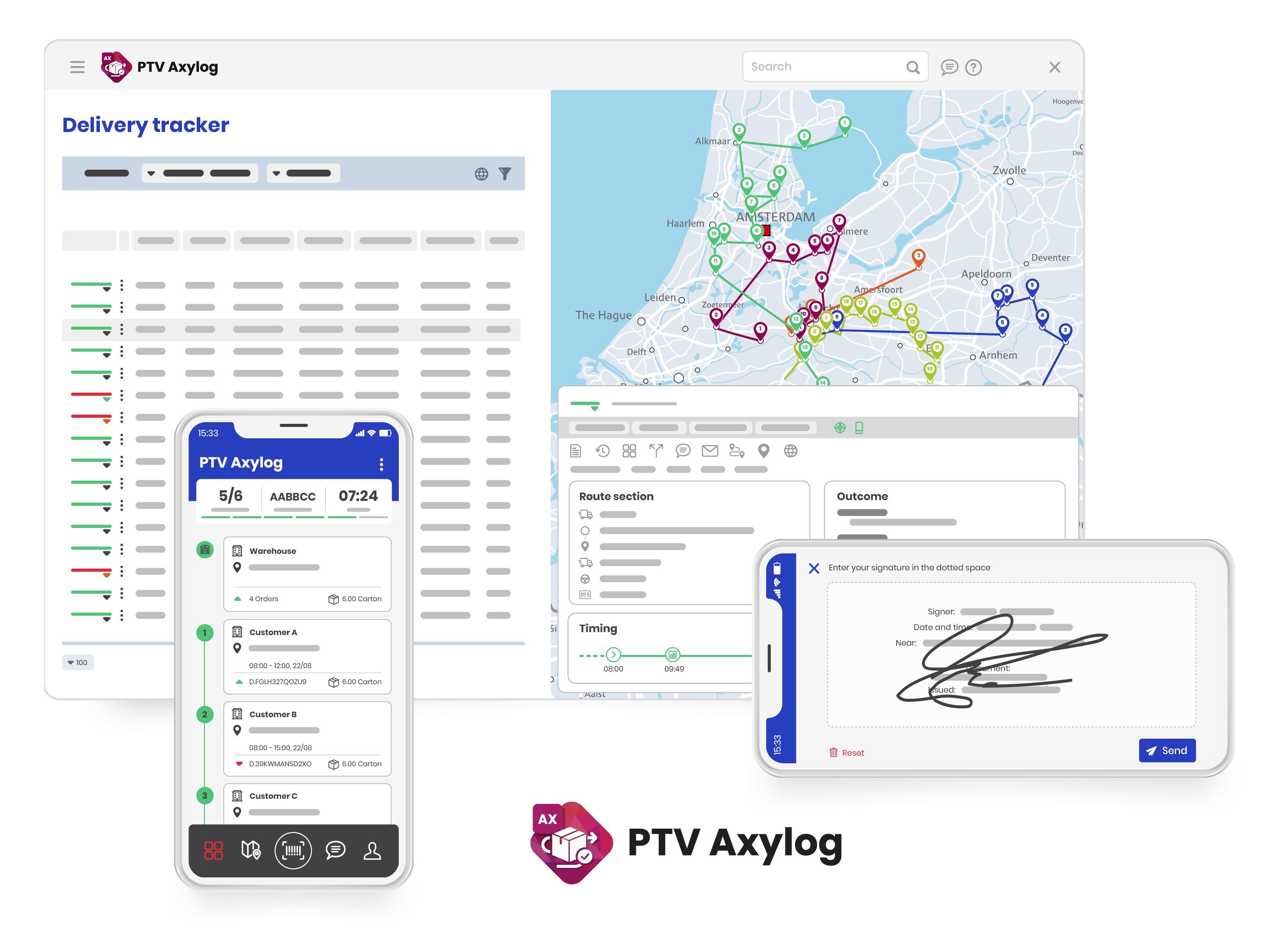

Powered by PTV Axylog, the transport control tower acts as the central execution layer for dispatchers and fleet operations directors:
- Real-time visibility & anomaly detection: PTV Axylog tracks vehicle position continuously via GPS and detects arrival, departure, and service times through geofencing. Deviations from the plan are flagged as anomalies and surfaced on a live KPI dashboard, so dispatchers see disruptions as they happen rather than after a customer calls.
- Predictive ETA: ETAs are calculated in real time and account for disruptions along the route, replacing static, plan-time estimates with a continuously updated arrival picture for dispatchers, receivers, and customers.
- Real-time communication & collaboration: When an issue is flagged, dispatchers can send personalized notifications and alerts immediately, and communicate directly with drivers through in-app, trip-based chat — extending the same visibility to subcontractors and carrier partners where needed.
For a closer look at how live GPS tracking and geofencing come together in practice, here's a deeper look: The Ultimate Guide to Real-Time Transport Visibility
Proof of delivery, done digitally
Removing your operational bottlenecks requires immediate, verifiable confirmation that an order has reached its destination in the correct quantity and condition. Paper delivery notes and verbal confirmations create administrative hurdles, delay billing, and leave enterprises vulnerable to costly claim disputes — a persistent pain point across contract-based logistics relationships.
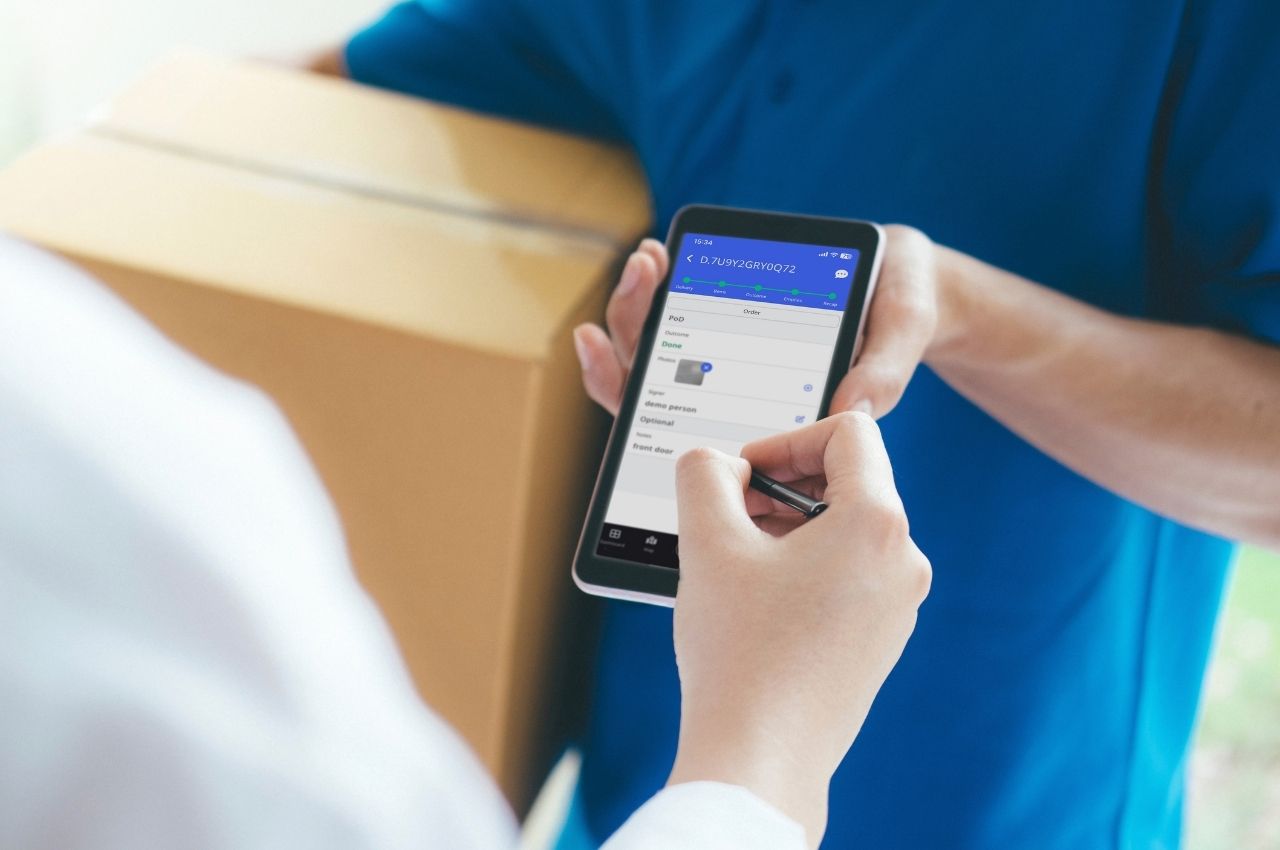
Electronic Proof of Delivery (ePOD) transforms post-delivery administration into an instant, automated digital workflow. Through PTV Axylog, drivers capture complete delivery documentation directly through mobile applications.

Strategic ePOD Benefits:
- Accelerated Cash Flow: Digital delivery receipts instantly trigger ERP invoicing workflows upon drop completion, reducing Days Sales Outstanding (DSO).
- Eliminated Claims Disputes: Time-stamped geofencing data, high-resolution photos, digital signatures, and an electronic bordereau provide audit trails for damage claims or shipment disputes.
- Condition & Compliance Documentation: For food, beverage, and pharmaceutical logistics, drivers capture photo and status documentation — including condition and temperature notes — directly into the digital delivery record before departure.
Customer & stakeholder communication
Delivery transparency is now a core operational baseline for B2B, retail, and 3PL clients. For many customers, it is simply expected as the norm — a McKinsey survey of US e-commerce consumers found that about half track their order status specifically to confirm a shipment is progressing and remains on time. When consumers lack accurate arrival visibility, receiving ramps may be understaffed, unloading can face delays, and customer service teams become inundated with inquiries.
In contrast, automated, multi-stakeholder communication keeps all parties informed across every phase of the delivery process:
- Proactive Notifications: Automatically send SMS, email, or web notifications to receiving managers as vehicles cross geofence perimeters or when ETAs update.
- Live Tracking Portals: Provide customers with branded, real-time tracking interfaces displaying live vehicle progress, updated time windows, and driver arrival metrics without revealing sensitive internal fleet routing logic.
- Collaborative Control Tower Access: Grant enterprise clients, subcontractors, and carrier partners role-based access to shared execution dashboards, establishing a single source of truth for multi-client 3PL networks.
Delivery zones & smart sectorization
A primary cause of delivery disruptions is unoptimized territory design. When delivery zones rely on administrative postal codes or static maps drawn years ago, drivers are forced to navigate overlapping territories, face unbalanced stop density, and incur excessive stem time.
Smart sectorization bridges tactical network planning with real-world execution. By using algorithmic modeling to design coherent delivery zones based on actual workload, road accessibility, and stop density, enterprise fleets establish predictable operational baselines.


Advantages of Data-Driven Sectorization
- Reduced Control Tower Load: Coherent, geographically balanced delivery zones drastically reduce the frequency of traffic bottlenecks and late drops that dispatchers must manage reactively.
- Predictable Dynamic ETAs: When drivers operate within optimized, familiar sectors, stop duration variance decreases, making ETA calculations significantly more accurate.
- Driver Retention & Familiarity: Consistent territory assignments let drivers gain deep site-access knowledge, ramp familiarity, and customer rapport - improving drop efficiency and reducing driver turnover.
From planning to delivery
Optimal delivery management occurs when planning, execution, visibility, proof, and communication operate within a unified software ecosystem rather than as isolated tools.


The planning foundation:
PTV OptiFlow
The delivery process begins with a schedule that is underpinned by sound mathematical reasoning. PTV OptiFlow calculates optimal multi-depot routes, balancing vehicle capacities, driver regulations, and customer time windows. Planners can also cap how many vehicles are scheduled to arrive at a single location within a given time slot — a planning-stage safeguard that reduces dock congestion and truck queuing before a single vehicle leaves the yard. Once finalized, the plan moves directly into PTV Axylog via API — no manual data entry required — putting an execution-ready schedule in front of dispatchers and drivers the moment it's built.

The execution control tower:
PTV Axylog
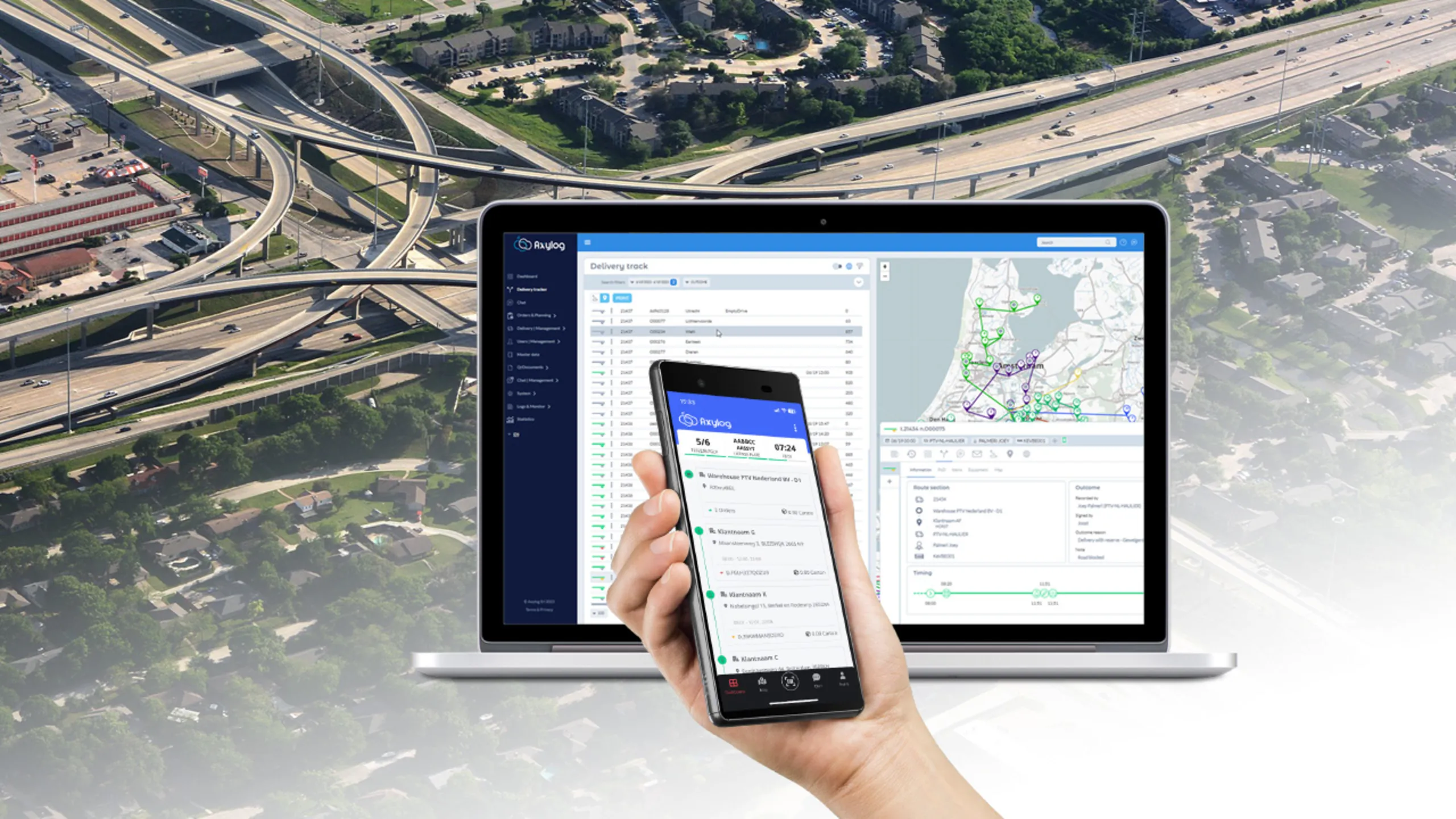
PTV Axylog collects the planned routes and manages the entire execution lifecycle. It handles driver dispatch, real-time GPS tracking, anomaly and exception alerts, predictive ETA calculation, and digital proof-of-delivery collection.


The connective API architecture: PTV Developer
PTV Developer gives cloud-native APIs for routing, route optimization, and geocoding — the same logistics intelligence embedded directly into an existing TMS, ERP, WMS, or custom application. Teams mix and match from 17 individual APIs to connect planning intelligence and real-time execution data into the systems they already run — scaling from 10 to more than 10,000 daily routes, with data flowing bidirectionally across the tech stack in real time.
Industry relevance
While delivery management software is likely to benefit all multi-vehicle fleets, specific operational criteria mean these tools are especially relevant for certain sectors:

Industry
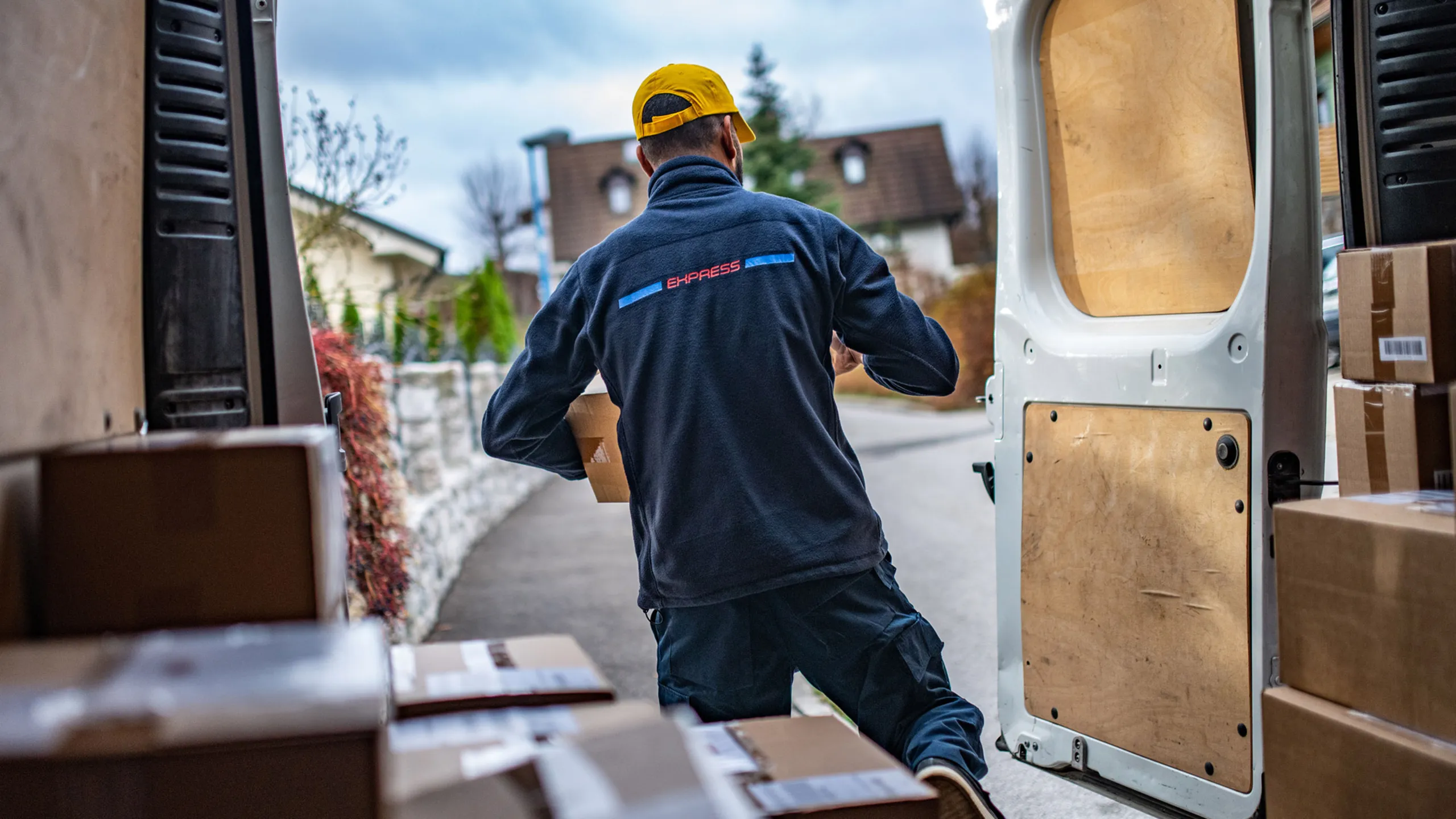
Parcel
Handle complex, high‑volume, multi‑stop deliveries with greater efficiency and lower costs.


Industry
Retail
Enhance your retail logistics with smart route optimization & delivery software that drives efficiency and growth.

Industry
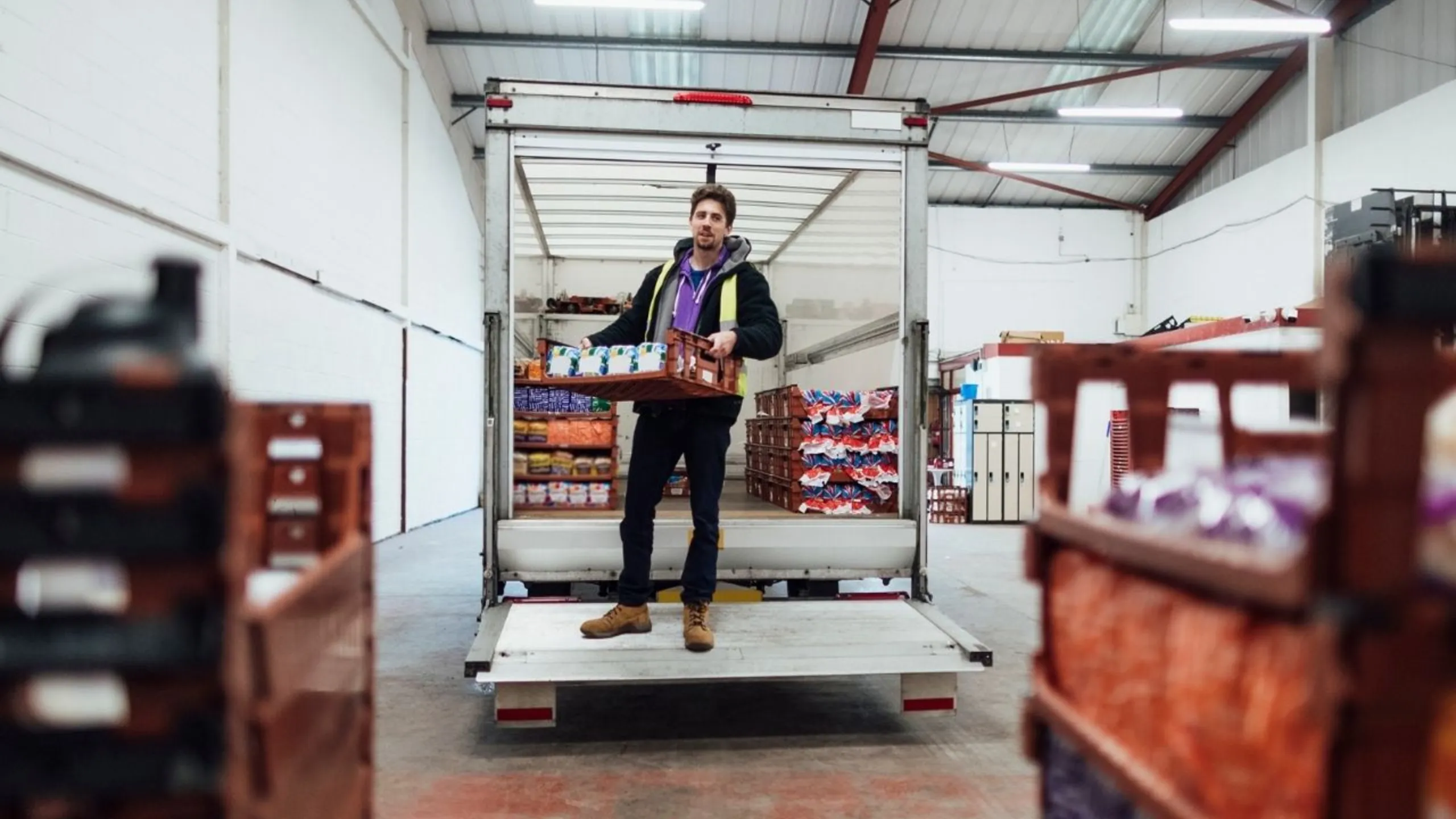
Food & Beverage
Deliver freshness, cut costs & CO₂, and stay agile with smart food & beverage logistics planning.
Enterprise Proof: Quantified Outcomes
When enterprise delivery operations replace disconnected tools and manual workflows with a unified delivery management architecture, operational efficiency and customer satisfaction improve dramatically.
With the right solutions, logistics firms see a reduction in fleet operating costs of up to 20%, a fall in carbon footprint of between 15 and 20%, and planning that takes up to 80% less time.


Proven enterprise success
Global logistics leaders, food distributors, and retail giants depend on PTV Logistics software to manage complex daily execution — including companies that plan with PTV OptiFlow and execute with PTV Axylog side by side. FoodFlow is a direct example:
“Express deliveries, optimized routes, real-time traceability: thanks to PTV OptiFlow and PTV Axylog, FoodFlow is pushing the boundaries of food distribution for the HoReCa sector.”
— Pierre Colson, CEO & Co-founder, FoodFlow
Other companies across food, retail, and 3PL — including Codè Crai Ovest, Fileni Group, Linea Catering, HelloFresh, and Albert Heijn — rely on PTV Logistics solutions to power their delivery management workflows.
FAQs about delivery management
Toggle accordion item
What is delivery management software, and how is it different from a TMS or route optimization software?
A TMS handles administrative logistics tasks like shipment booking, carrier tendering, and freight audit. Route optimization software calculates mathematically optimal stop sequences and schedules. Delivery management software is the execution layer that connects dispatch, real-time tracking, ETA calculation, exception handling, proof of delivery, and customer communications, condensing them all into a single workflow.
Toggle accordion item
How does real-time visibility improve delivery management?
Real-time visibility transforms fleet operations from reactive to proactive. By continuously comparing live GPS positions against planned schedules, a transport control tower detects anomalies early, recalculates ETAs to account for disruptions along the route, and alerts dispatchers and receivers before delays breach customer SLAs.
Toggle accordion item
What is electronic proof of delivery (ePOD), and why does it matter?
Electronic proof of delivery (ePOD) digitizes the final step of the delivery process. Drivers capture touchscreen signatures, time-stamped geofences, high-resolution damage photos, and condition logs on mobile devices. This data uploads instantly to core systems, accelerating invoicing cycles and eliminating customer claim disputes.
Toggle accordion item
How does delivery management software handle exceptions and disruptions during execution?
When disruptions occur — such as vehicle breakdowns, severe traffic, or customer access delays — PTV Axylog flags the event in real time within the transport control tower. Dispatchers see the alert immediately, can chat directly with the driver in-app, and can update drop sequences or push revised ETAs directly to customers and receiving docks.
Toggle accordion item
Can delivery management software connect to our existing TMS, ERP, or WMS?
Yes. Through PTV Developer APIs, PTV Logistics solutions integrate natively into existing enterprise systems, ensuring seamless bidirectional data flow without requiring a system overhaul.
Toggle accordion item
How does delivery management improve customer communication and reduce support calls?
By automating SMS, email, and web alerts as vehicles approach delivery points and providing branded live-tracking portals, customers stay informed in real time. This eliminates the need for manual phone calls to check the status of particular drops and drastically reduces WISMO support volume.
Toggle accordion item
What is the connection between route planning and delivery management?
Route planning establishes your baseline operational schedule based on your capacity, time windows, and constraints. Delivery management takes that optimized plan from software like PTV OptiFlow and manages its execution on the road, ensuring drivers follow the plan, handling live disruptions, and verifying execution with digital proof of delivery.

Blog
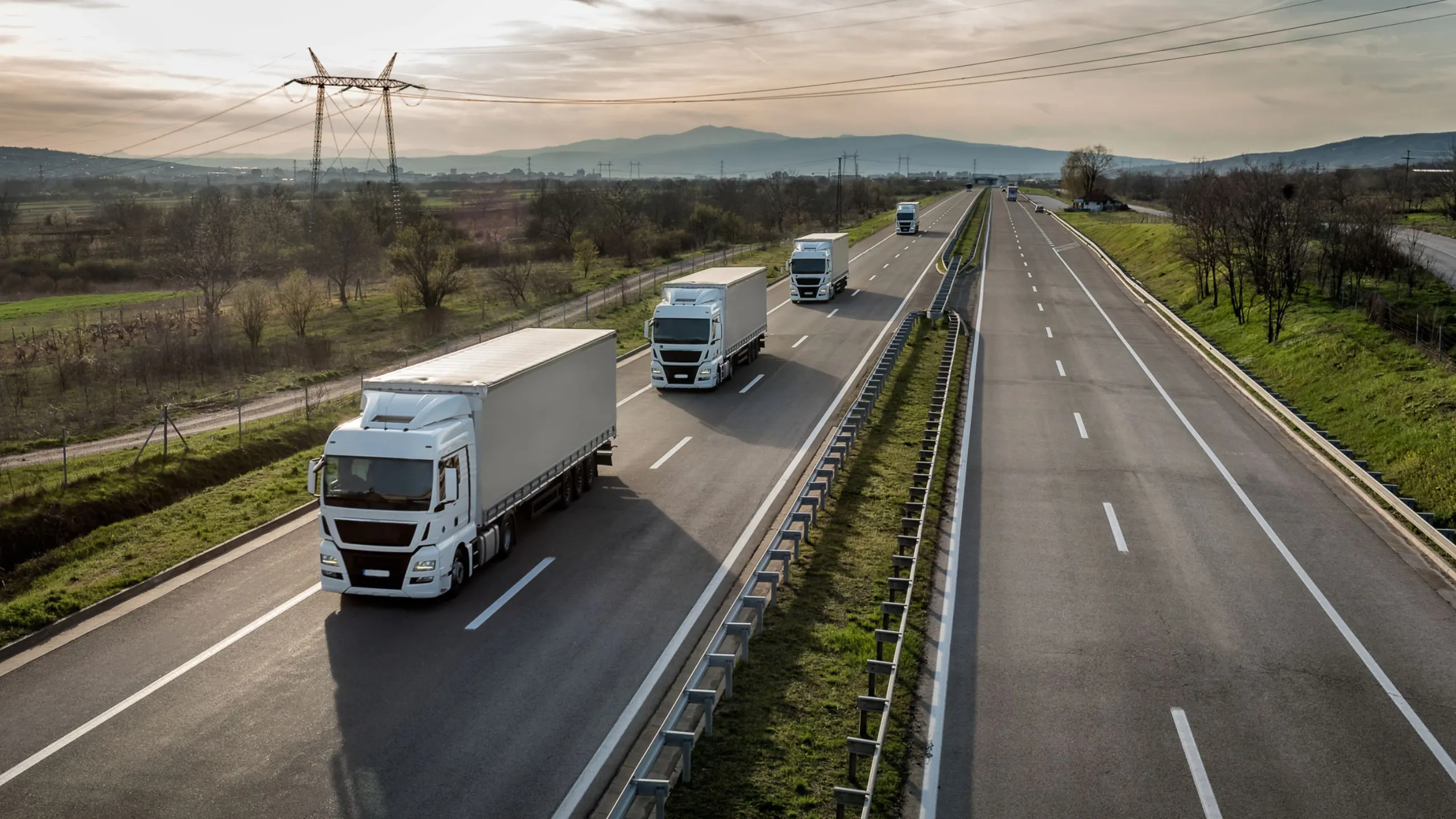
How to improve delivery performance without adding more trucks
Learn how to identify signs of inefficient fleet planning and see how route optimization software can improve on-time delivery.


Blog
Delivery network design: When and how to redesign your delivery network with optimization
Learn when to redesign your delivery network and how route optimization improves your network design and planning.

Solutions by use case
Real-Time Transport Visibility
We explain everything you need to know about transportation visibility and how it can help improve your transport & delivery operations.


Transform your delivery management
Disconnected execution tools and manual paperwork isolate your plan from your fleet performance. Instead, tools like PTV Axylog deliver the real-time visibility, automated control tower capabilities, and digital proof of delivery required to ensure every schedule leads to real-world operational success.
With effective delivery management, your on-paper schedules really do reflect the on-road reality.