- Route optimization
Adjust routes based on traffic, bin fill levels, and service priorities. - Automated planning and dispatch coordination
Create efficient routes and coordinate crews with minimal manual input. - Fleet visibility and performance insights
Monitor vehicle movements, driver behavior, and service reliability in real time. - Real-time alerts and disruption handling
Respond quickly to missed pickups, delays, or emergency incidents. - Sustainability tracking and reporting
Measure emissions and support compliance with environmental targets. - Scalable planning for seasonal or urban demand
Adapt routes and resources to changing volumes or service areas.
Creating a cleaner planet, one route at a time
From scheduled pickups to emergency cleanups, waste collection logistics demands speed, precision, and adaptability. Municipalities and private operators face mounting pressure to maintain strict schedules while responding to unpredictable events: from hazardous spills to overflowing bins.
In these moments, dispatching the right crew with the right equipment isn’t just important; it’s urgent. Longer, inefficient routes delay service, increase fuel use, and risk regulatory non-compliance. That’s why route optimization isn’t a luxury; it’s a necessity.
Brands trusting PTV Logistics technology







The hurdles of modern waste collection
Waste collection logistics faces the dual challenge of route optimization and managing unpredictable waste generation. These issues, combined with the need to comply with strict regulations, manage fleet staffing, and overcome infrastructure limitations, put constant pressure on operational costs and service reliability.

Lack of real-time visibility
Without real-time tracking, poor coordination and delays become unavoidable.

Regulatory and compliance demands
Strict environmental regulations and safety standards require meticulous record-keeping.

Rising operational costs
Rising fuel prices, labor costs, and vehicle maintenance expenses can strain budgets.

Inaccurate data
Manual data collection methods are prone to human error and unreliable reporting on KPIs.

Workforce management
Managing large workforces manually creates communication failures and scheduling conflicts.

Inefficient route planning
Static routes can’t account for traffic, bin fill levels, or changing collection needs.
Missed pickups and inefficient routes don’t have to be the norm.
From overflowing bins to unpredictable traffic, waste collection teams face daily challenges. But with intelligent route planning and real-time updates, you can reduce fuel costs, improve service reliability, and respond faster to disruptions.
What matters most in waste collection logistics?
To keep your route planning and fleet optimization for waste collection services running smoothly, you need real-time coordination and the ability to adapt your routes dynamically. Whether you're managing daily waste collection or responding to an emergency spillage, automation, visibility, and scalability are crucial for waste operators to deliver the best service.
Waste management: Optimize your fleet, teams, and assets
Here’s how logistics tech is becoming a strategic advantage for waste management operators:


Optimized route planning software for waste collection logistics
Reduce operational costs and improve collection efficiency with our self-learning SaaS suite for municipal and private waste logistics.
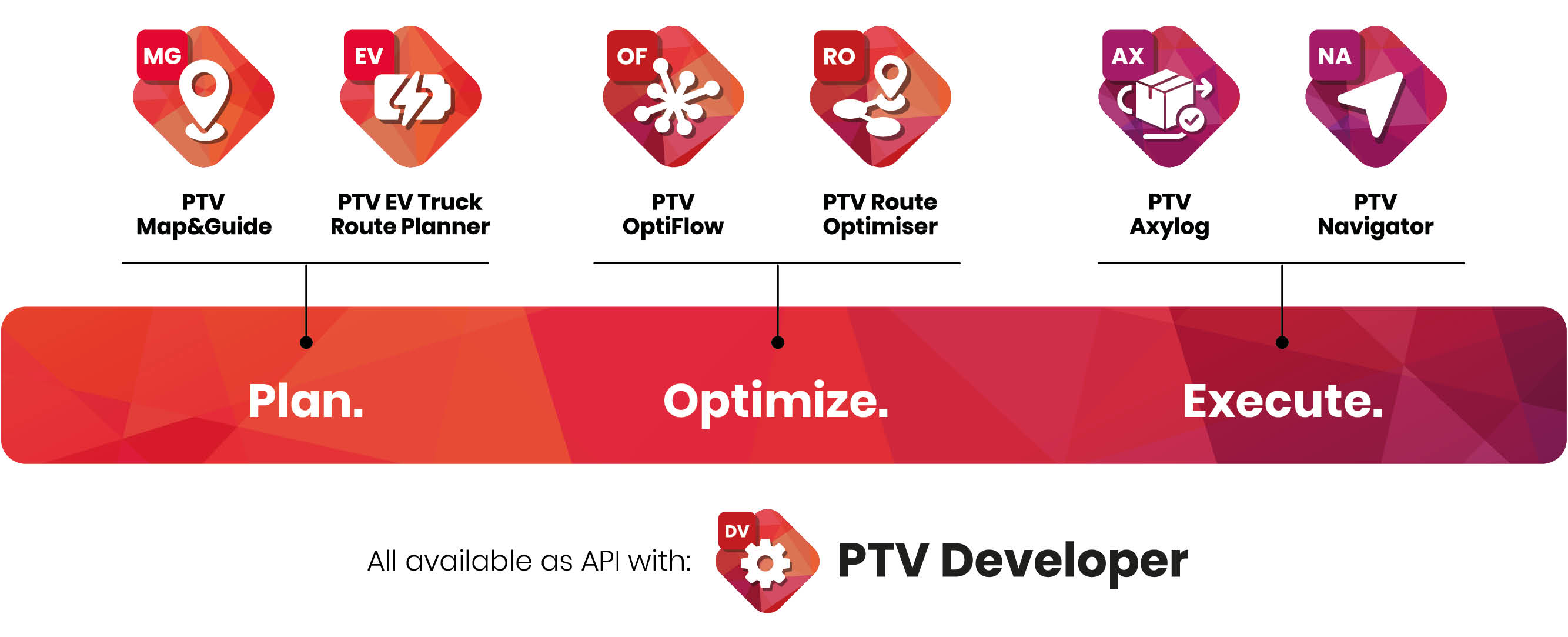
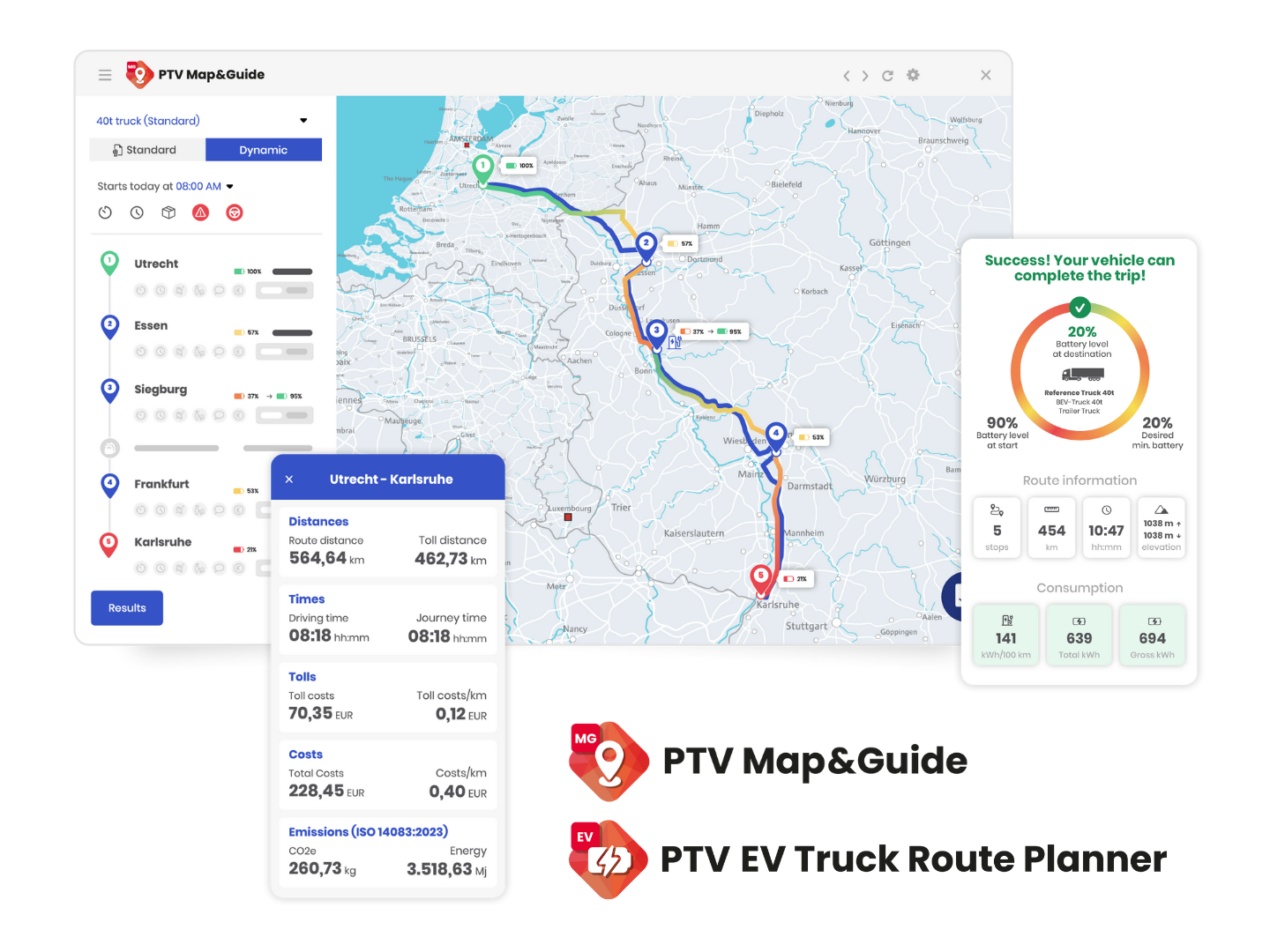

Plan with precision
Build smarter freight and fleet routes.
- Create cost-effective routes with automated planning tools
- Factor in EV range, charging stations, and toll roads
- Design routes that meet regulatory and operational requirements
- Forecast demand for peak seasons or service surges
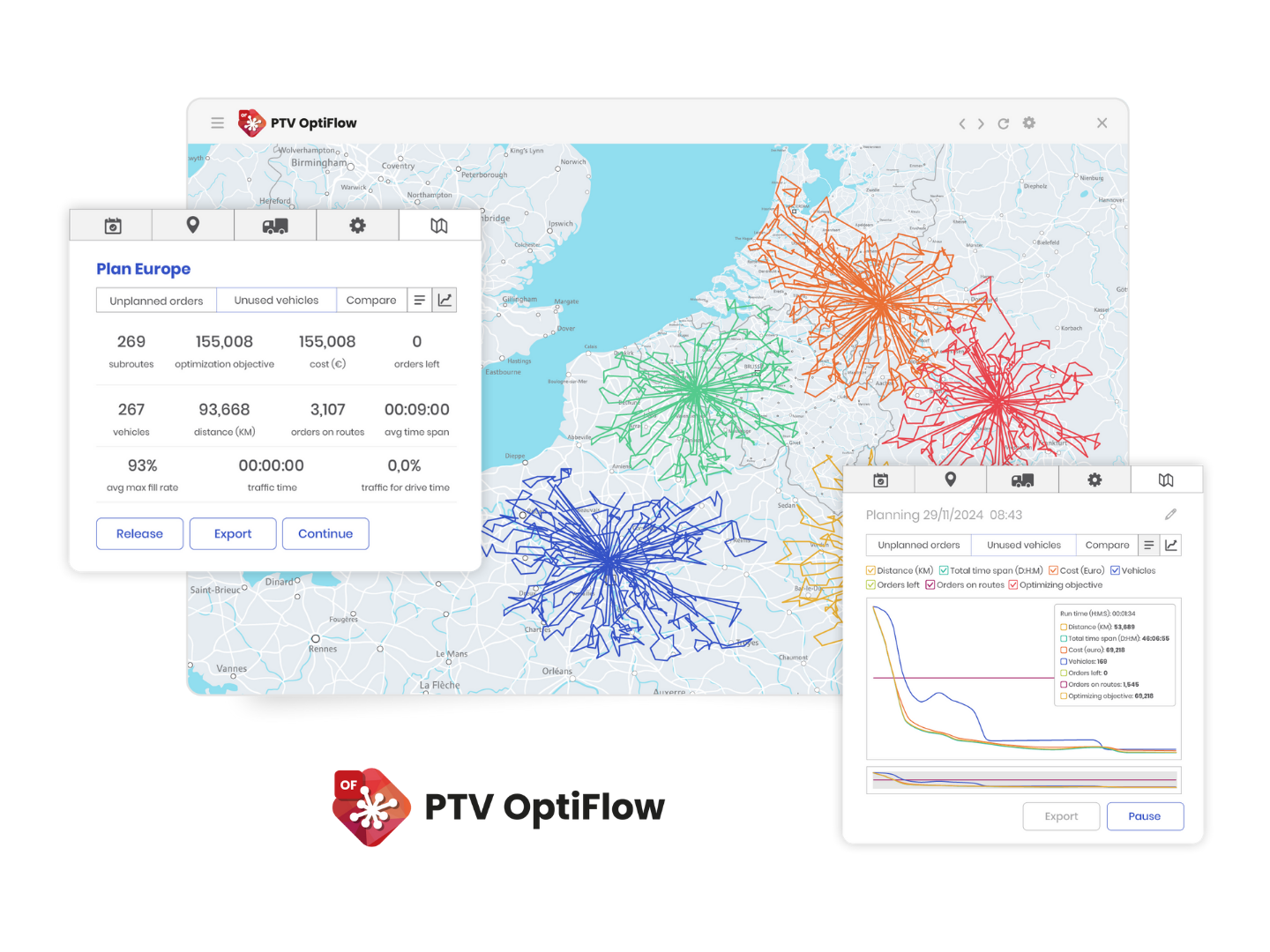

Optimize in real time
Keep your fleet agile and responsive.
- React to last-minute changes with cloud-based routing
- Incorporate returns, pickups or service stops into routes
- Improve on-time rates and reduce miles driven
- Identify high-impact EV use cases with scenario simulation
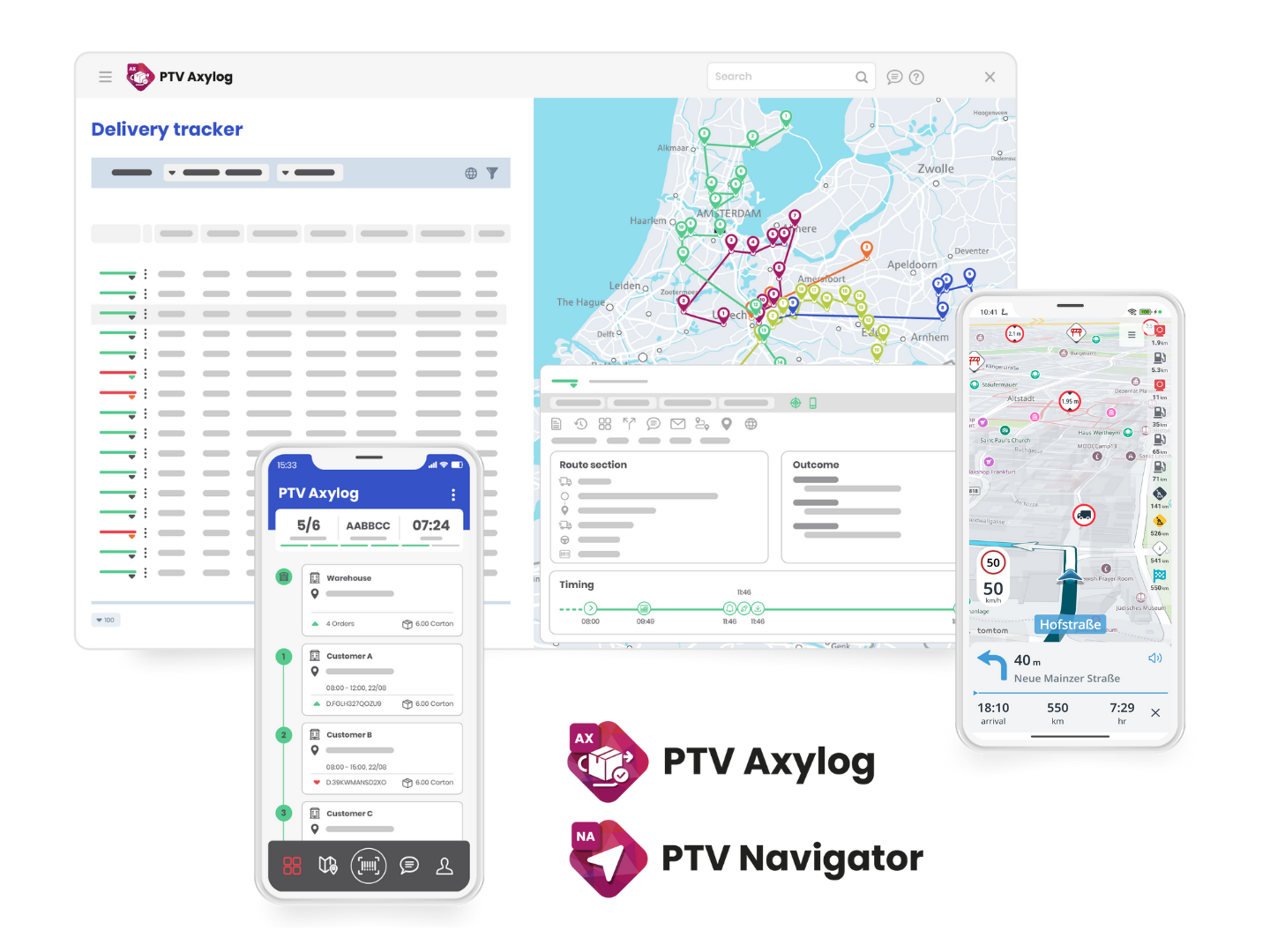

Gain control across the supply chain
Track every movement from dispatch to destination.
- Monitor service, delivery or collection progress in real time
- Provide accurate ETAs and live tracking to customers or field teams
- Send updates and alerts directly to drivers via mobile tools
- Minimize delays with proactive disruption alerts and fast communication
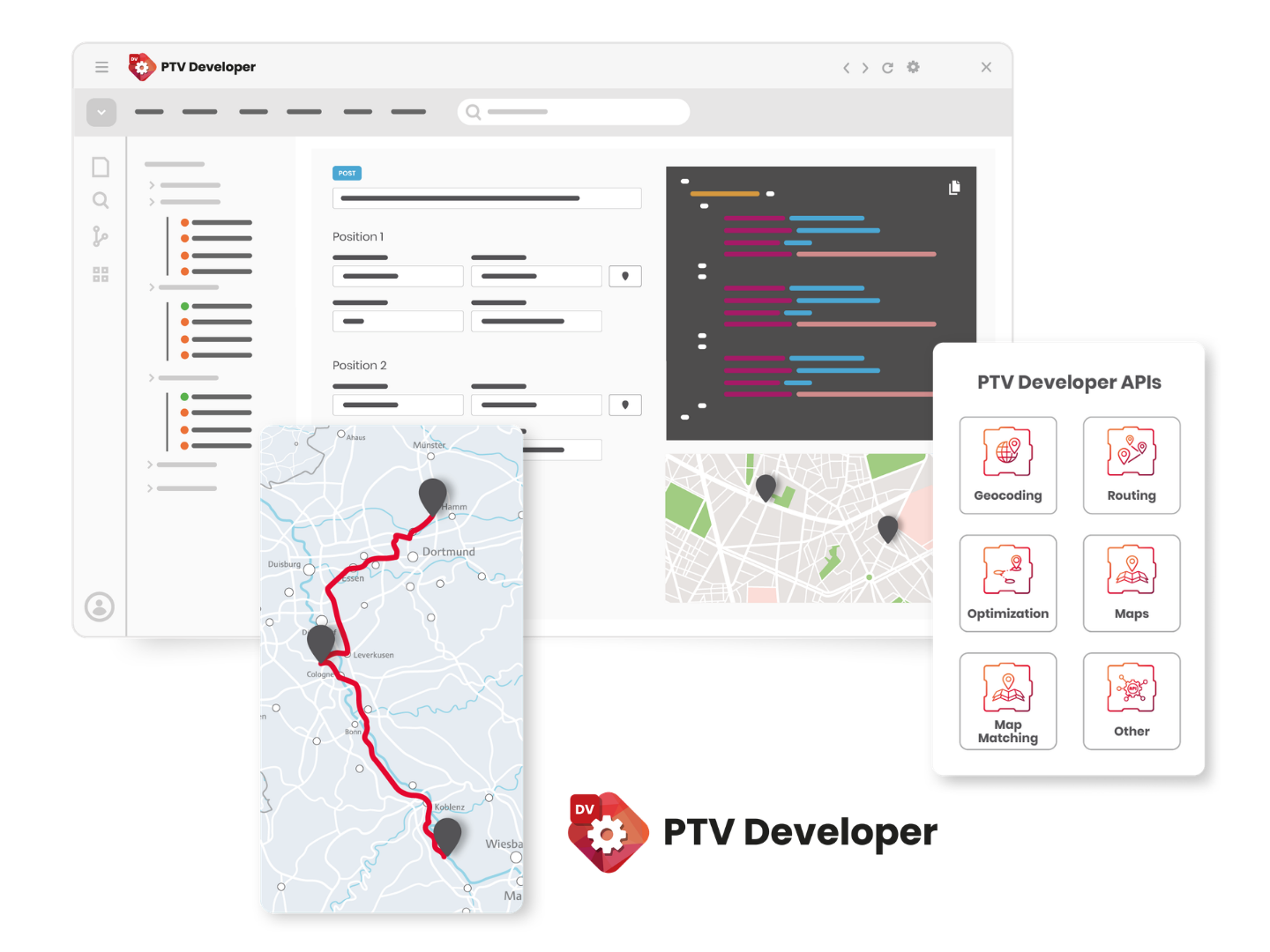

Integrate with intelligence
Solve real-world transport challenges with modular APIs.
- Solve complex logistics challenges with high-performance Location APIs
- Seamlessly embed routing, mapping, and tracking into your software
- Simulate real-world constraints like vehicle types, time windows, and tolls
- Scale your solution with modular services and OpenAPI standards
Let’s solve waste collection logistics together.
Discover how we can help you reduce response times, improve crew coordination, and meet sustainability goals, all while lowering operational costs.
Recommended reads

Blog
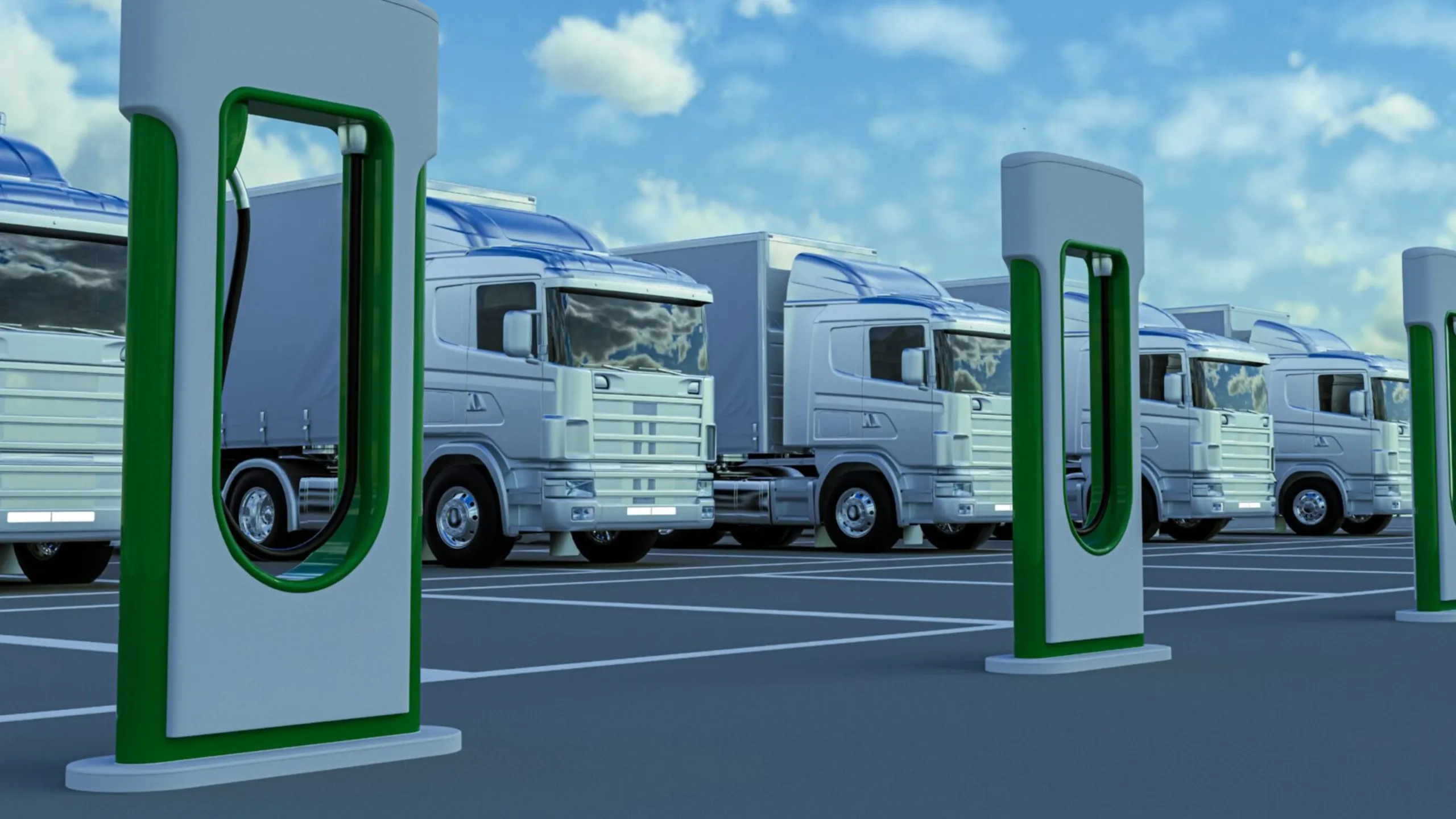
How to electrify your fleet: A step-by-step guide for logistics teams
Discover the practical steps, tools, and insights logistics teams need to transition efficiently without disrupting operations.

Blog
Effective tracking and communication strategies for last mile delivery
Most last mile delivery issues don’t start on the road, but they start with poor communication. Here’s how to fix that.


Blog
Real-time transport visibility platform: What is it and why should you invest in one?
Real-time visibility is critical for logistics companies. It ensures efficient processes, good customer service, and reliability.
It only takes a minute to get started
Fill out the form, and our experts will analyze your needs to provide a personalized consultation and demo tailored to optimize your logistics.
FAQ
Toggle accordion item
How can waste collection logistics software improve the efficiency of my collection routes?
Modern cloud-based solutions are fundamental to smooth-running waste collection. It's all about minimizing travel time, fuel consumption, and labor costs while maximizing the amount of waste collected per trip. That’s true waste collection route optimization.
Know more about the route optimization software helping waste collection logistics achieve this.
Toggle accordion item
How does field crew dispatch software improve my response to emergencies?
When unexpected incidents like spills or missed pickups occur, response speed is critical. While crew availability is typically managed through workforce systems, logistics software like PTV OptiFlow helps planners quickly generate optimized routes that factor in urgency, traffic, and service zones. This enables faster coordination, reduces downtime, and helps maintain service reliability during high-pressure situations.
Toggle accordion item
What are some other common features I should look for in waste fleet optimization software?
For waste and recycling operators, the most valuable logistics tools focus on route planning, stop sequencing, and operational efficiency. Platforms like PTV OptiFlow support real-time route optimization, service zone planning, and emissions tracking thus helping teams reduce fuel use and improve daily performance. While billing and CRM features are typically handled by other systems, logistics software plays a key role in optimizing the journey between stops and supporting sustainability goals.
Toggle accordion item
What is the potential return on investment (ROI) for implementing waste-collection software?
Understandably, waste management operators want to see a clear business case before financially committing to a new piece of software. They want to know if the benefits - increased efficiency, lower costs, and improved customer satisfaction - outweigh the initial investment. By improving route planning and offering data analytics into fleet performance, profitability per route, and waste generation patterns, smart waste management solutions can generate significant ROI quickly.
Toggle accordion item
How can I transition from manual waste management processes to a software-based one?
While some waste collection services may be concerned about the onboarding process, training for employees, or minimizing disruption to daily operations, vendors like PTV Logistics are more than just a provider of smart waste management solutions. We work closely with our customers so they know exactly how to use every piece of software and every feature.
Toggle accordion item
Can PTV Logistics support electric waste collection vehicles and charging needs?
Yes. The PTV EV Truck Route Planner helps waste operators plan routes based on battery range, payload, and available charging infrastructure. This is especially valuable for municipalities transitioning to low-emission fleets, where route reliability and charging access are critical.
Toggle accordion item
Can waste collection logistics software help us meet sustainability and emissions targets?
Absolutely. Route optimization tools like PTV OptiFlow reduce fuel consumption and emissions, while PTV EV Truck Route Planner supports electrification strategies. These platforms also provide data to support ESG reporting and help operators monitor environmental KPIs across their fleet.
Toggle accordion item
How can drivers stay on track during complex waste collection routes?
Waste collection routes often involve frequent stops, narrow streets, and time-sensitive pickups. PTV Navigator provides turn-by-turn guidance tailored to commercial vehicles, helping drivers follow optimized routes with fewer detours or missed stops. This improves route adherence and reduces stress for field crews.