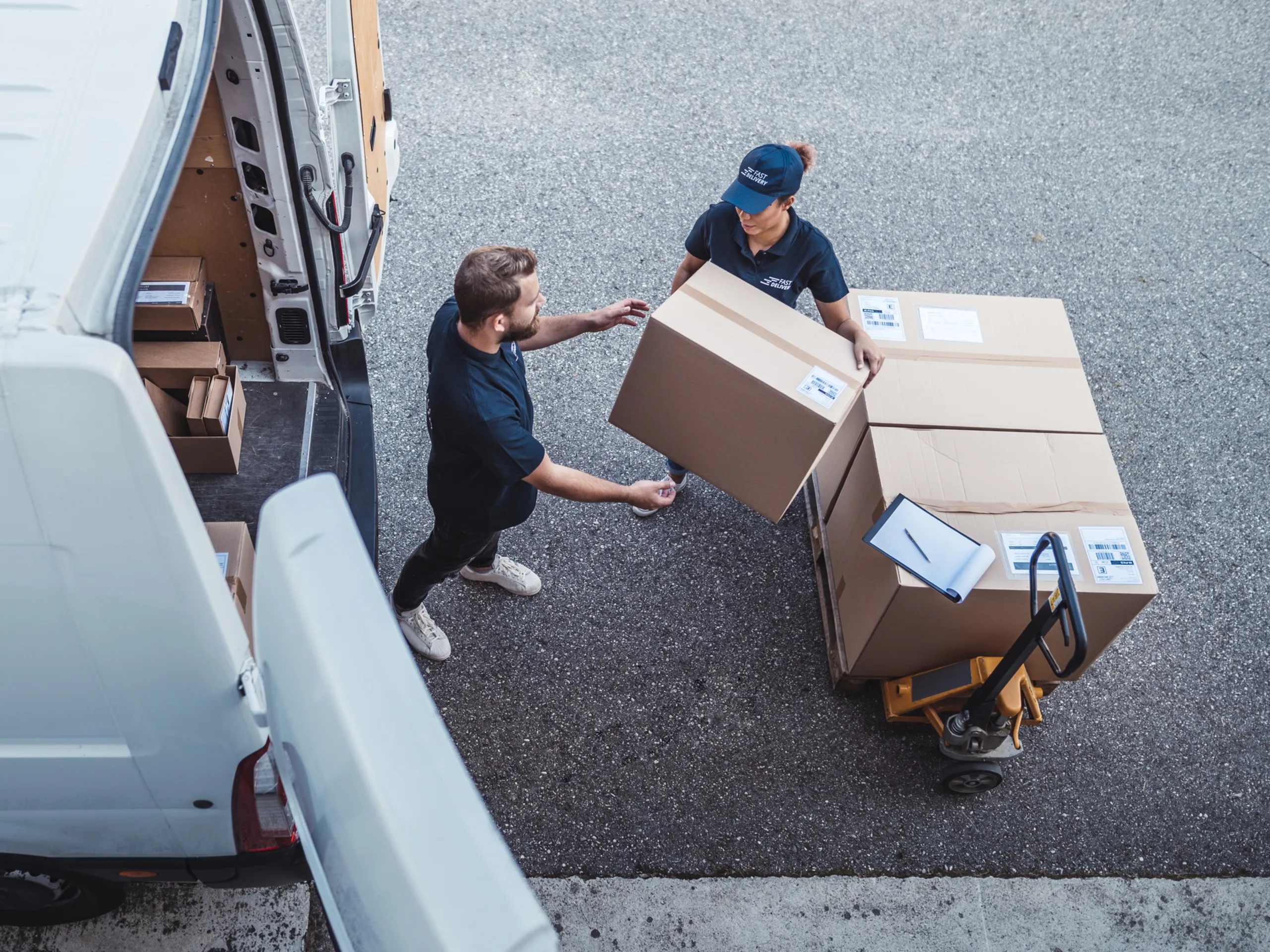

What same-day really means for routing
Same-day delivery routing is the process of planning and adjusting delivery routes in real time so an order placed after dispatch can still be checked for feasibility, inserted into a route, and delivered before the end of that day.
Next-day delivery gives planners a clear starting point because most orders are ready before routes leave. Same-day delivery keeps the opportunity open after dispatch. Customers can order while drivers are on the road, so planners need a quick way to see where each new delivery fits.
Same-day service may allow several hours between checkout and arrival. Instant delivery gives the team much less time. Both depend on dynamic route optimization that checks each request against current routes, capacity, customer windows, traffic, driver availability, and cost.
This live approach helps the business say yes to profitable orders while keeping existing promises. Planners can confirm whether the fleet can deliver on time, which route can take the order, and whether the price covers the work.
Getting same-day delivery right
Same-day delivery is a logistical challenge because every new order gets added to a plan that's already in motion. Vehicles have limited space, drivers have existing stops, and customers have promised windows. Planners need to create room without causing delays or turning a profitable sale into an expensive detour.
- New orders compete with routes already in motion: The closest driver may look like the obvious choice, but the vehicle could be full, the driver could be close to a shift limit, or the extra stop could delay a priority delivery. Dispatchers need to see the effect across the live plan first. For example, an urgent electronics order may be two miles from a van with little spare time. Adding the stop could delay three deliveries. Another van may travel farther and still protect every window. The second choice gives customers more reliable service and creates less business risk.
- Customer-facing windows carry financial consequences: Customers choose same-day delivery because timing matters. A missed window can lead to a refund, a repeat trip, a support call, or a lost customer. Wide buffers reduce late arrivals but also reduce the slots a business can sell. Accurate travel times help planners offer useful windows, earn revenue, and protect trust.
- Speed has to work within the cost-to-serve: Faster delivery should support growth without draining the margin. Manual decisions can scatter orders across vehicles, add overtime, or send drivers across the same area twice. Routing software helps planners weigh service priority against mileage, working time, and order value before they say yes. Consumer research backs up why this discipline matters. A McKinsey & Company survey found that delivery speed, the top priority for online shoppers in 2022, had fallen to fifth place by 2025 - with 90% of consumers willing to wait two to three days for their delivery if the shipping is free. Same-day is not what most orders need; it is a targeted advantage for the orders where timing genuinely matters, which is exactly why pricing and accepting it well is what protects the business. For example, a low-value order near the edge of the service area may require a dedicated trip. Another nearby order could make the route worthwhile later. A feasibility check helps the retailer offer a suitable slot or price, keep the customer promise, and protect its margin.

How real-time route optimization makes same-day delivery possible
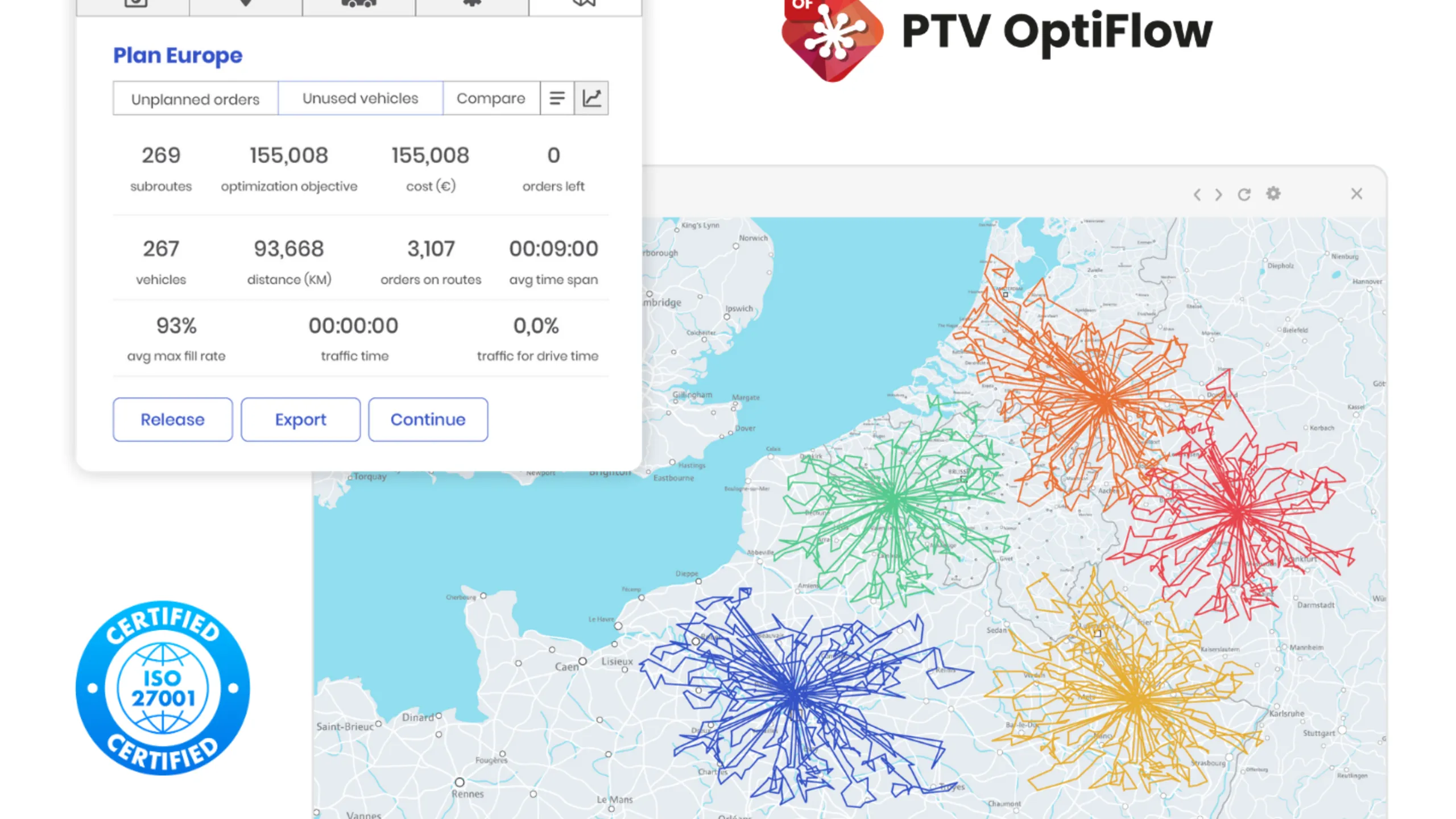
Once your team sets the delivery rules, planners need a live route plan for new orders. A cloud-based route optimization platform such as PTV OptiFlow brings orders, routes, time windows, capacity, driver requirements, costs, and traffic into one place. Planners can add work to existing routes and reoptimize without rebuilding the day by hand.

1. Check feasibility before accepting the order
First, the software compares the order with routes that could serve it. It checks load space, travel time, the customer window, driver hours, and current commitments. The planner gets a clear answer and can accept, price, or decline the request with confidence.
2. Insert the order where it causes the least disruption
For example, an e-grocery order arrives after dispatch with a narrow delivery window. One nearby van lacks room for chilled totes. A second has capacity, and a small sequence change protects its existing windows. The planner can use the second route, protect freshness, and keep every promise on track.
3. Update the affected route and keep the day stable
After the planner confirms a change, connected systems send the revised sequence and arrival times to existing tools. Drivers receive clear instructions, dispatchers keep a current view, and customer service teams can share accurate updates. Most drivers continue with the plan they know.
Focused updates help drivers and protect customers from avoidable changes. The business can use spare capacity productively, accept more suitable orders, and keep the rest of the fleet moving. New capability worth knowing: PTV Developer's Route Optimization API V2 now returns a reason for every order it can't place.
Making the delivery promise accurate before the customer orders
Customers should see delivery options the operation can support. A generic cutoff gives every order the same answer, despite differences in address, volume, inventory, route capacity, traffic, and cost. A live check helps the retailer offer an attractive promise without creating a costly problem later.
A suite of routing and location APIs such as PTV Developer can bring geocoding, routing, ETA calculation, optimization, and feasibility checks into a retailer's checkout, order system, or delivery app. Customers stay in a familiar interface, while each window reflects current operations.
For example, a shopper selects same-day delivery. The checkout validates the address, checks route capacity, calculates a realistic ETA range, and shows an available window. The confirmed order flows into routing. The customer gets a trustworthy choice, and the operations team avoids manual entry and surprises.
Help dispatchers handle the unexpected mid-day
Even a strong plan needs a practical response to urgent orders, late drivers, traffic, vehicle problems, and approaching cutoffs. Dispatchers need fast answers they can trust, especially if several options affect customers, drivers, and costs differently.
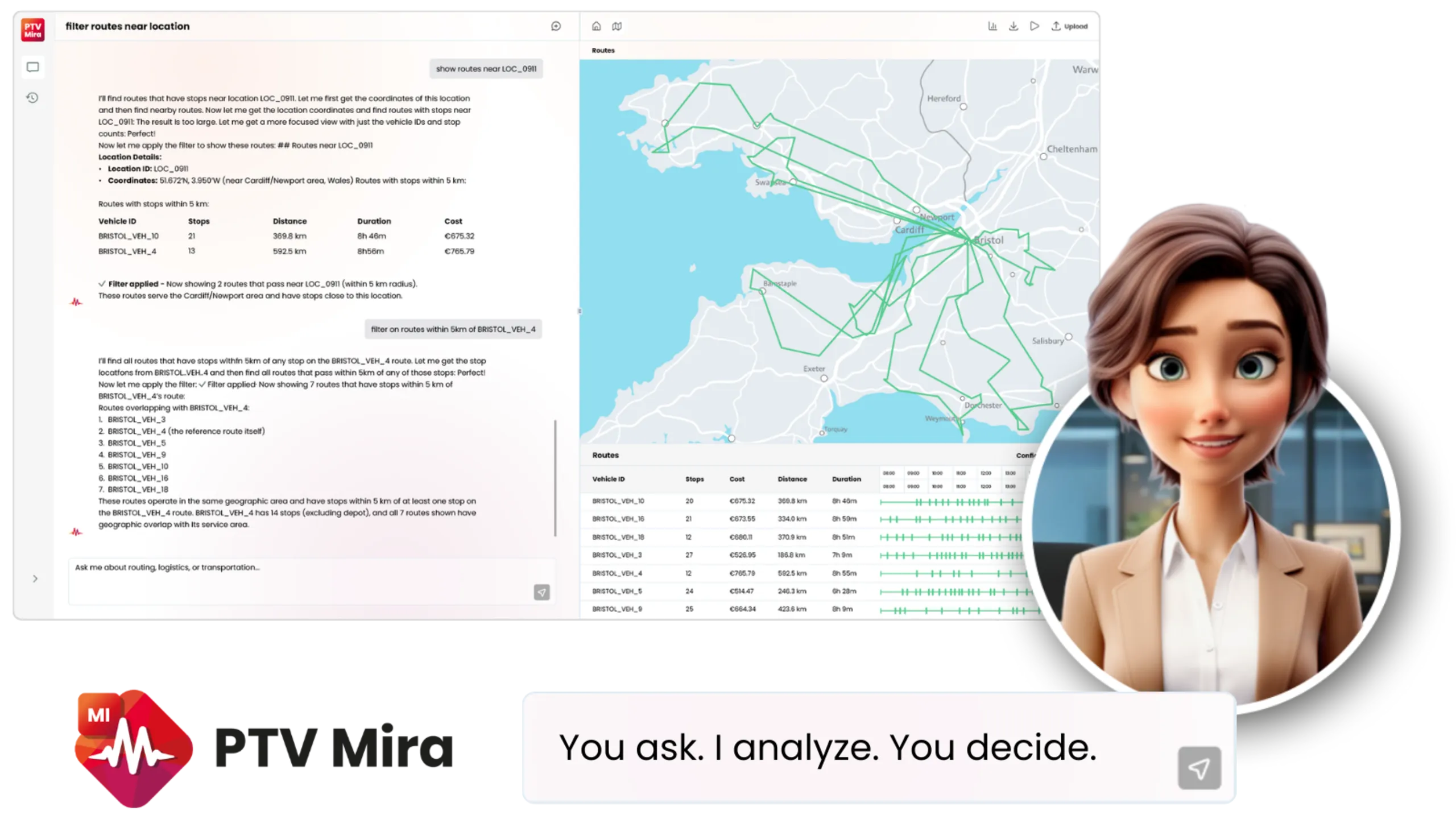

A conversational logistics agent such as PTV Mira can test a dispatcher's question against live routing and optimization data. For example, the dispatcher can check whether the fleet can fit an urgent order, which route works best, and how the change affects costs or windows. The team can compare practical choices quickly and act with confidence.
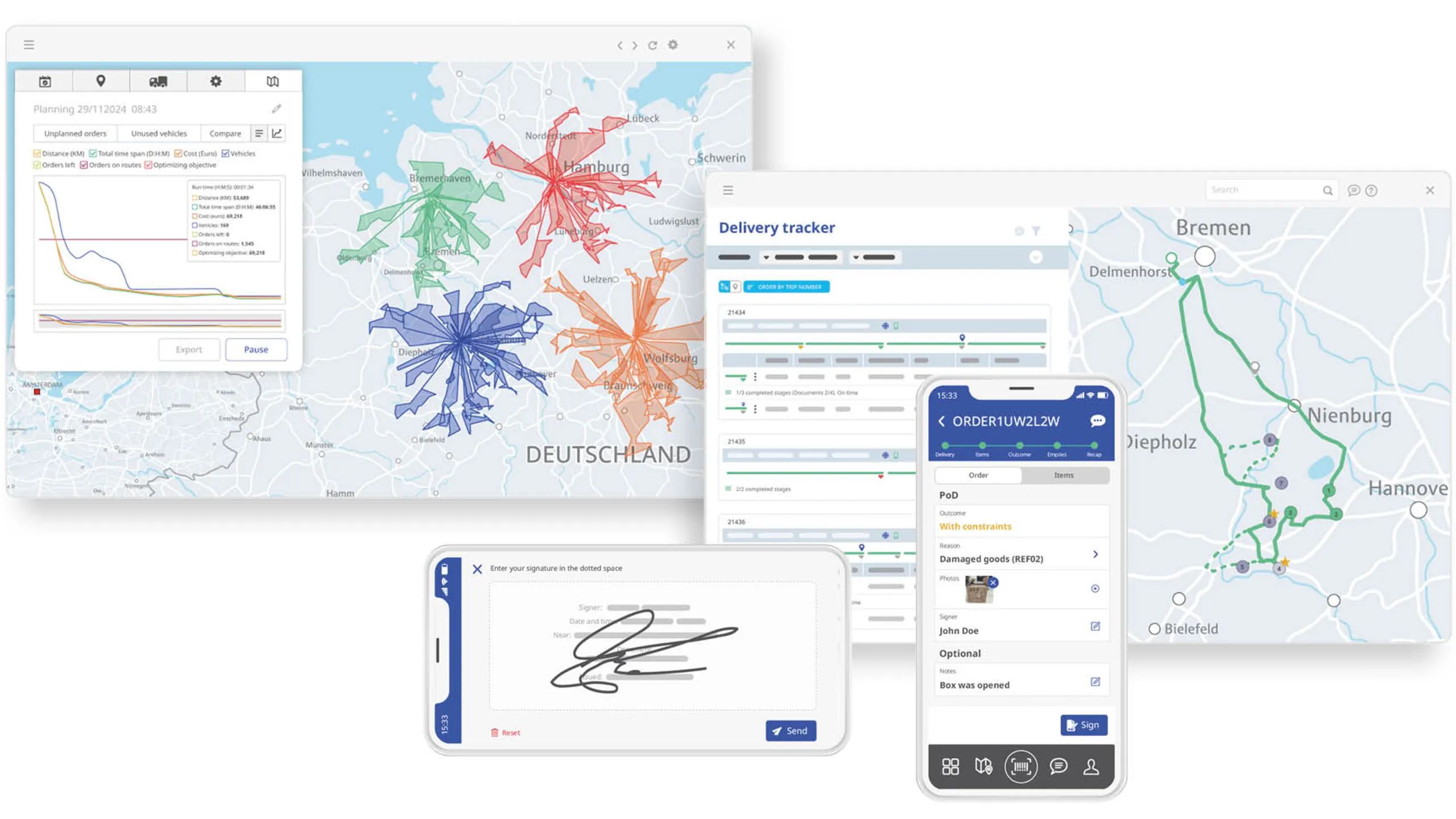

Once the team changes a route, a visibility platform such as PTV Axylog can support real-time tracking, ETAs, and customer notifications. Service teams can keep people informed, reduce calls, and protect trust if the arrival time changes.
Industries best suited to same-day and instant delivery
Same-day delivery works especially well where customers value speed, inventory is close to demand, and order density supports efficient routes. Several sectors can turn those conditions into customer and commercial value.

Industry
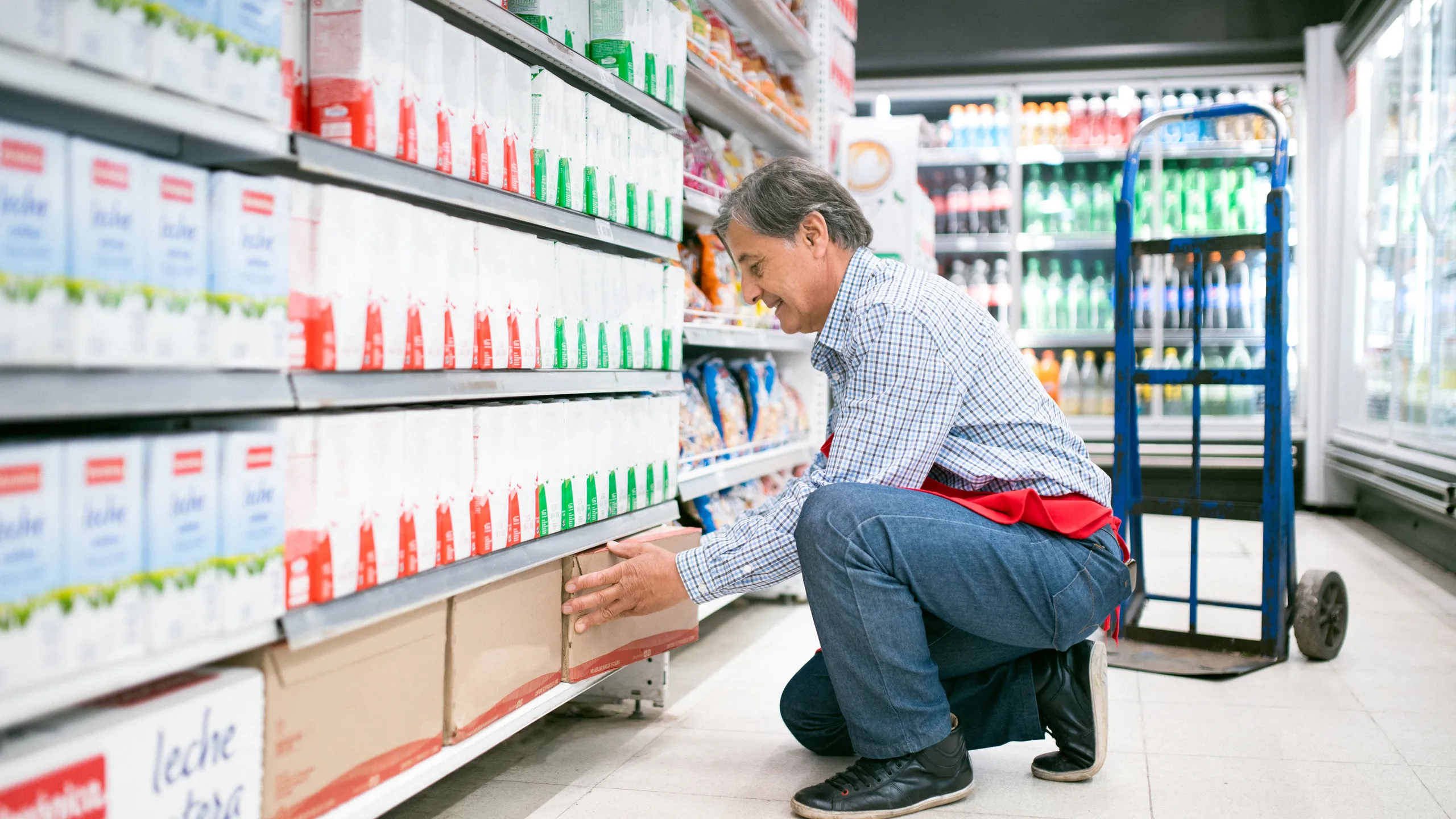
Retail
Enhance your retail logistics with smart route optimization & delivery software that drives efficiency and growth.

Industry
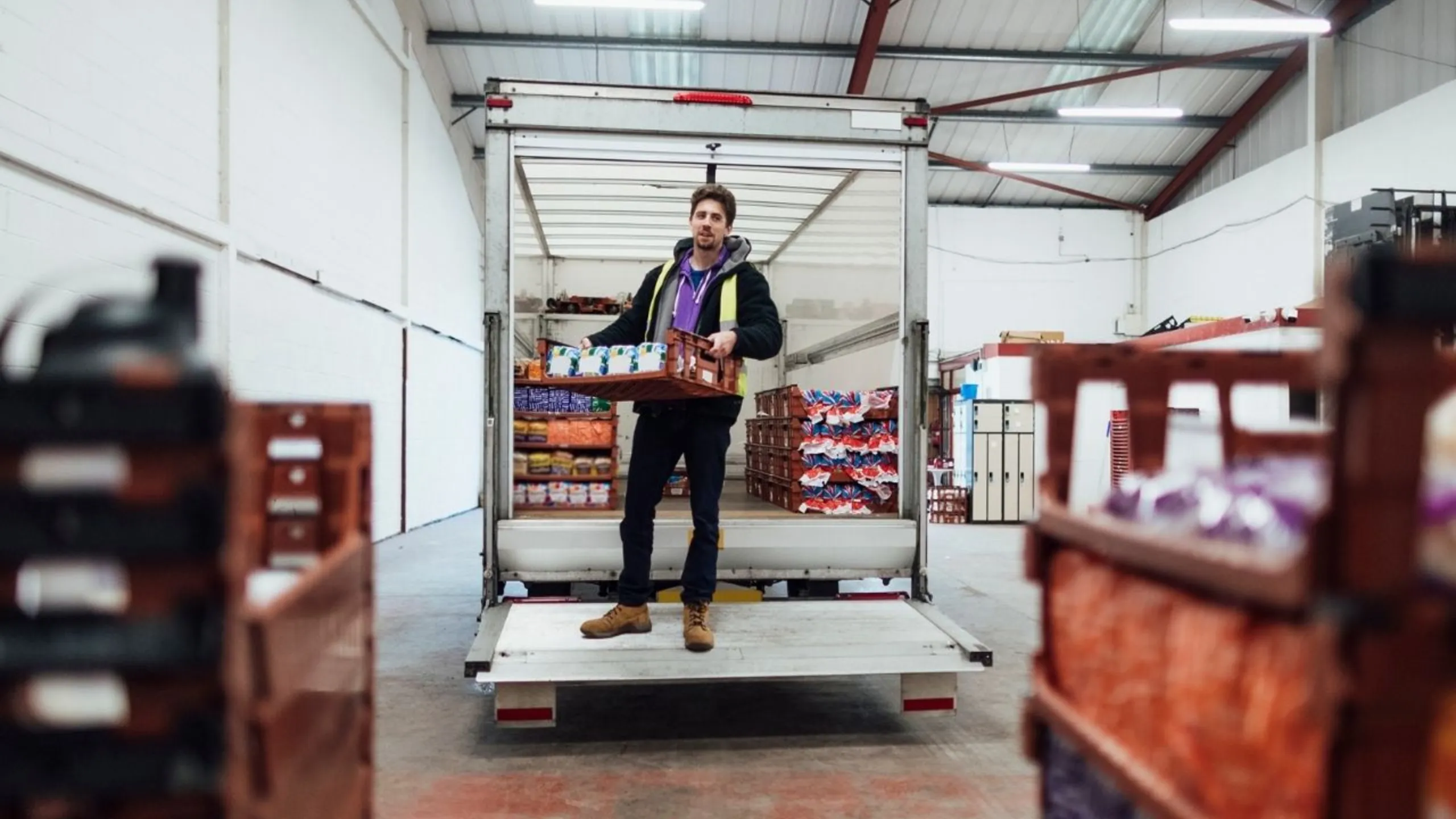
Food & Beverage
Deliver freshness, cut costs & CO₂, and stay agile with smart food & beverage logistics planning.

Industry
Healthcare
Gain the accuracy, speed, and flexibility customers expect with faster delivery times and better cost control.
Build a same-day service the business can sustain
See how PTV Logistics can help your team fit new orders into live routes, protect promises, and get more value from delivery.
FAQs
Toggle accordion item
What is same-day delivery routing?
Same-day delivery routing is the process of planning and adjusting delivery routes in real time so an order placed after dispatch can still be checked for feasibility, inserted into a route, and delivered before the end of that day. Next-day routing plans a known order batch before dispatch; same-day routing keeps checking new orders against live routes after vehicles have already left.
Toggle accordion item
What is the difference between same-day delivery and standard route optimization?
Standard route optimization often uses a known order batch before dispatch. Same-day routing continues after vehicles leave. The software checks each new order against live routes, capacity, customer windows, traffic, and costs, then updates the best route.
Toggle accordion item
How does real-time route optimization handle new orders during the day?
Route optimization software such as PTV OptiFlow compares the order with available routes and vehicles, rules out unsuitable options, and finds a practical insertion. The planner reviews mileage, driver time, windows, capacity, and existing commitments before confirming the change.
Toggle accordion item
Can I show customers an accurate same-day delivery window at checkout?
Yes. Routing, geocoding, ETA, and feasibility APIs — the kind PTV Developer provides — can connect the checkout with current operations. Customers see the windows the fleet can support for their location and order before payment.
Toggle accordion item
How does dispatching handle disruptions during a same-day delivery window?
Dispatchers compare options against the live plan, such as moving a stop, assigning another vehicle, adjusting the sequence, or offering a revised ETA — often talking it through with a conversational tool like PTV Mira to weigh the trade-offs quickly. Real-time routing helps them protect important commitments and control cost.


Blog
From Indecision to Impact: Why Retail & Last-Mile Leaders Choose PTV Logistics
Where does route optimization actually pay off in retail and last mile? See the interview with one of our executive leaders.

Blog
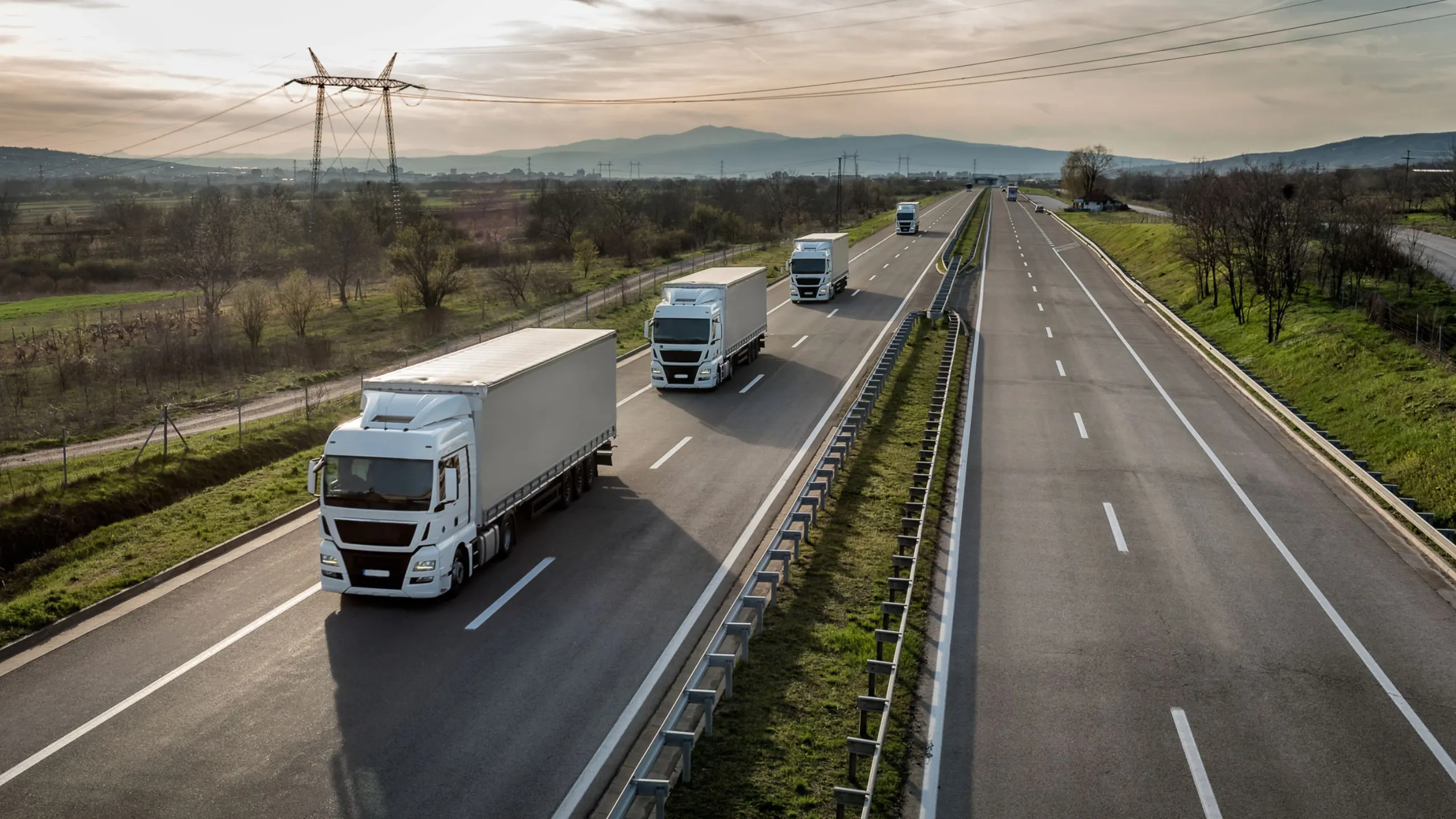
How to improve delivery performance without adding more trucks
Late deliveries? More trucks are rarely the answer. Here's what to look at first.
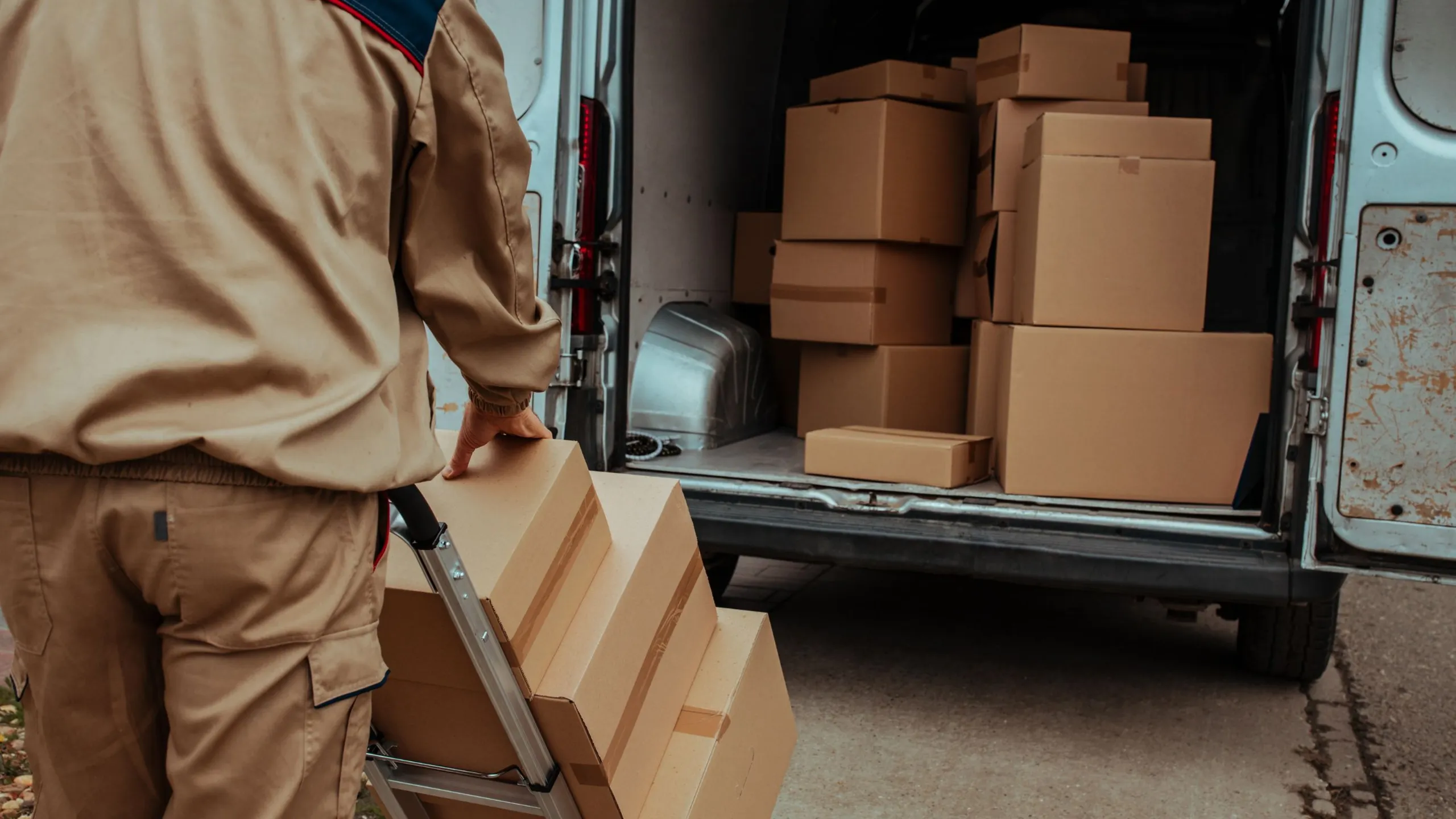

Blog
Smart network optimization in peak season planning
Learn how smart network optimization improves on-time delivery, fleet utilization, and cost-to-serve before the next surge.